
Wondering what an electrical inspection actually costs in Sydney? I’ll give you the straight answer. Standard residential electrical inspections range from $200-$450, depending on property size and inspection scope. Let me break down exactly what you’ll pay—and why it’s money well spent.
Quick Price Guide: Electrical Inspection Sydney
Before we dive into details, here’s what you’re looking at:
Standard Inspection Costs by Property Type
- Apartment/unit inspection: $200-$300
- Small house (2-3 bedrooms): $250-$350
- Medium house (3-4 bedrooms): $300-$450
- Large house (4+ bedrooms): $400-$600
- Commercial premises (basic): $450-$800
Inspection Types and Costs
- Pre-purchase inspection: $250-$450
- Safety compliance inspection: $200-$380
- Insurance inspection: $220-$400
- Rental property inspection: $180-$320
- Post-renovation inspection: $280-$500
- Detailed fault-finding inspection: $350-$650
Additional Services and Costs
- Comprehensive written report: Usually included
- Thermal imaging inspection: +$150-$300
- Urgent same-day inspection: +30-50% premium
- Certificate of Compliance: $80-$150 extra
- Photographic documentation: Usually included
Understanding Electrical Inspections
Electrical inspections assess your property’s electrical safety. Licensed electricians examine all visible electrical components thoroughly.
Think of inspections as electrical health checks. They identify problems before they become dangerous or expensive.
What Electrical Inspections Cover
Comprehensive inspections examine every accessible electrical element. Nothing gets overlooked by professional electricians.
Standard inspection includes:
- Switchboard condition and compliance
- RCD safety switch testing
- Circuit breaker functionality
- Wiring condition and safety
- Power point condition and earthing
- Light switches and fixtures
- Smoke alarm compliance
- Hot water system electrical connections
- Air conditioning electrical safety
- Outdoor electrical installations
- Pool and spa electrical compliance
- Overall electrical hazard identification
Why Electrical Inspections Matter
Faulty electrical systems kill people and destroy properties. Inspections prevent these tragedies before they occur.
Critical inspection benefits:
- Prevent electrical fires and property damage
- Identify electrocution risks
- Ensure insurance coverage validity
- Verify building code compliance
- Protect family safety
- Reveal hidden electrical problems
- Provide renovation planning information
- Avoid expensive emergency repairs
- Maintain property value
Legal Requirements for Inspections
Various situations trigger mandatory electrical inspections. Know when you’re legally obligated.
Mandatory inspection scenarios:
- Property sales (recommended, sometimes required)
- Major renovations and extensions
- Swimming pool installations
- Insurance claims or requirements
- Rental property compliance
- Strata building regulations
- Commercial premises annually
Breaking Down Inspection Costs
Labour and Time Charges
Licensed electricians charge $100-$150 per hour in Sydney. Inspection duration varies by property size.
Typical inspection timeframes:
- Apartment: 1-1.5 hours = $100-$200
- Small house: 1.5-2 hours = $150-$300
- Medium house: 2-3 hours = $200-$400
- Large house: 3-4 hours = $300-$600
- Commercial: 3-6+ hours = $450-$900+
Factors affecting inspection time:
- Property size and layout
- Number of circuits and power points
- Accessibility of electrical components
- Age and condition of installation
- Complexity of electrical system
- Additional testing requirements
Report Preparation Costs
Detailed written reports document all findings. They’re essential for making informed decisions.
Standard report includes:
- Executive summary of findings
- Detailed component assessment
- Safety hazard identification
- Compliance status evaluation
- Recommended repairs and upgrades
- Priority rating of issues
- Cost estimates for repairs
- Photographic evidence
- Electrician’s certification
Report preparation typically included in quoted inspection price.
Testing Equipment and Materials
Professional inspections require specialised testing equipment. These costs factor into pricing.
Essential testing equipment:
- Multimeters for voltage testing
- Insulation resistance testers
- RCD trip time testers
- Earth loop impedance testers
- Thermal imaging cameras
- Circuit tracers and identifiers
- Polarity testers
Call-Out and Travel Fees
Many electricians charge call-out fees. These cover travel time and vehicle costs.
Typical fee structure:
- Inner Sydney suburbs: Call-out often waived
- Middle suburbs: $80-$120 call-out
- Outer suburbs: $100-$150 call-out
- Remote areas: $150-$250+ call-out
Call-out fees usually absorbed into overall inspection quote.
Types of Electrical Inspections
Pre-Purchase Electrical Inspection
Buying a property without electrical inspection is madness. You’re gambling with your family’s safety and finances.
Pre-purchase inspection reveals:
- Hidden electrical problems
- Required repairs and costs
- Safety compliance issues
- Rewiring needs and expenses
- Switchboard upgrade requirements
- Insurance risk factors
- Negotiation leverage with seller
Cost: $250-$450 depending on property size.
Return on investment: Often saves thousands in unexpected repairs.
Safety Compliance Inspection
Compliance inspections verify your electrical system meets standards. Essential for insurance and legal protection.
Compliance inspection checks:
- AS/NZS 3000 wiring standards
- RCD safety switch requirements
- Smoke alarm compliance
- Switchboard safety standards
- Earthing system adequacy
- Building code compliance
Cost: $200-$380 for residential properties.
Insurance Inspection
Insurance companies often mandate electrical inspections. Older properties particularly require verification.
Insurance inspection focuses on:
- Fire risk identification
- Electrical hazard assessment
- Compliance with safety standards
- Risk mitigation requirements
- Policy coverage validation
Cost: $220-$400 including detailed report.
Rental Property Inspection
Landlords have legal obligations for electrical safety. Regular inspections protect tenants and investment.
Rental inspection includes:
- Safety switch testing
- Power point condition
- Light fitting safety
- Appliance outlet safety
- Tenant safety verification
- Compliance documentation
Cost: $180-$320 per inspection.
Recommended frequency: Every 2-5 years or between tenancies.
Post-Renovation Inspection
Major electrical work requires inspection and certification. Don’t skip this critical step.
Post-renovation inspection verifies:
- All work meets current standards
- Proper installation techniques used
- Safety systems functioning correctly
- No fire or shock hazards created
- Compliance certificates valid
Cost: $280-$500 depending on scope.
Thermal Imaging Inspection
Thermal imaging detects problems invisible to naked eye. Advanced technology identifies hidden electrical faults.
Thermal imaging reveals:
- Overheating circuits and connections
- Loose electrical connections
- Overloaded circuits
- Faulty circuit breakers
- Insulation deterioration
- Fire risks before they ignite
Cost: Standard inspection + $150-$300 thermal imaging premium.
Factors Affecting Inspection Cost
Property Size and Complexity
Larger properties take longer to inspect thoroughly. More circuits mean more testing time.
Size-based pricing:
| Property Type | Typical Size | Inspection Time | Cost Range |
|---|---|---|---|
| Apartment | 50-100m² | 1-1.5 hours | $200-$300 |
| Small House | 100-150m² | 1.5-2 hours | $250-$350 |
| Medium House | 150-250m² | 2-3 hours | $300-$450 |
| Large House | 250m²+ | 3-4+ hours | $400-$600+ |
| Commercial | Varies | 3-8+ hours | $450-$1,200+ |
Property Age and Condition
Older properties require more thorough inspection. Aged electrical systems present more potential problems.
Age-based considerations:
- Pre-1960s: Extensive inspection required, highest risk
- 1960s-1980s: Thorough inspection needed, asbestos concerns
- 1990s-2000s: Standard inspection, moderate risk
- 2010s+: Faster inspection, compliance verification
Accessibility and Location
Difficult-to-access electrical components increase inspection time. Hidden switchboards or awkward locations cost more.
Access challenges:
- Ceiling spaces with limited access: +30-60 minutes
- Locked or secured areas: +15-30 minutes
- High ceilings requiring ladders: +20-40 minutes
- External or detached buildings: +30-60 minutes
- Multi-level properties: +15-30 minutes per level
Inspection Urgency
Urgent inspections command premium pricing. Plan ahead to avoid emergency rates.
Timing-based rates:
- Standard booking (3-7 days): Base rate
- Priority (1-2 days): +15-25% premium
- Same-day urgent: +30-50% premium
- After-hours/weekend: +40-60% premium
Additional Testing Requirements
Specialized testing increases inspection costs. Some situations demand advanced procedures.
Additional testing includes:
- Thermal imaging: +$150-$300
- Earth loop impedance testing: +$80-$150
- RCD trip time verification: Usually included
- Insulation resistance testing: Usually included
- Power quality analysis: +$200-$400
What’s Included in Standard Inspection
Switchboard Examination
Switchboard inspection is the inspection’s core focus. It’s your electrical system’s control centre.
Switchboard checks include:
- Overall condition and age assessment
- Adequate circuit protection verification
- RCD safety switch presence and testing
- Circuit breaker functionality
- Proper labelling verification
- Asbestos presence identification
- Corrosion and damage assessment
- Capacity for current load
Wiring Assessment
Visible wiring undergoes thorough examination. Hidden wiring assessed where accessible.
Wiring inspection covers:
- Cable type and age identification
- Insulation condition verification
- Proper installation techniques
- Damage or deterioration signs
- Compliance with current standards
- Fire risk assessment
Power Point and Switch Testing
Every accessible power point gets tested. Switches checked for safety and functionality.
Outlet testing includes:
- Polarity verification
- Earth connection testing
- Physical condition assessment
- Contact resistance checks
- Mounting security verification
Safety Device Verification
All safety devices undergo functional testing. These devices protect lives.
Safety device testing:
- RCD trip time measurement
- Smoke alarm compliance verification
- Surge protection assessment
- Safety switch operation confirmation
- Circuit breaker functionality
When to Schedule Electrical Inspections
Before Buying Property
Never buy property without electrical inspection. The cost is tiny compared to potential problems.
Pre-purchase timing: During building and pest inspection period.
Budget: $250-$450 for comprehensive assessment.
Every 5-10 Years
Regular preventative inspections identify problems early. Think of them as electrical servicing.
Recommended intervals:
- Properties under 20 years: Every 10 years
- Properties 20-40 years: Every 5 years
- Properties over 40 years: Every 2-3 years
After Major Renovations
Electrical work requires verification and certification. Protect your investment with inspection.
Post-renovation inspection timing: Upon completion, before final payment.
When Experiencing Electrical Issues
Persistent electrical problems warrant professional inspection. Don’t ignore warning signs.
Problem indicators:
- Frequent circuit breaker tripping
- Flickering lights throughout property
- Burning smells near outlets
- Discoloured switch plates
- Sparking from outlets
- Electric shocks from appliances
Insurance Requirements
Some insurers mandate periodic electrical inspections. Particularly for older properties.
Insurance inspection frequency: As specified in policy (typically 5 years).
What Powertech Electrical Group Charges
We believe in transparent, competitive pricing. Our inspection rates reflect thorough professional service.
Our standard inspection rates:
- Apartment/unit: $220-$280
- 2-3 bedroom house: $280-$340
- 3-4 bedroom house: $330-$420
- 4+ bedroom house: $420-$580
- Thermal imaging addition: +$180
What’s included in our inspections:
- Comprehensive visual and physical inspection
- All essential electrical testing
- RCD safety switch testing
- Detailed written report with photographs
- Safety hazard identification and prioritisation
- Repair and upgrade recommendations
- Cost estimates for identified issues
- Compliance assessment
- Professional certification
- Follow-up consultation if needed
Our promise: Fixed-price quotes with no hidden surprises.
Money-Saving Strategies
Bundle Inspections with Other Services
Combine electrical inspection with other electrical work. Save on call-out fees and time.
Smart bundling opportunities:
- Inspection + safety switch installation
- Inspection + smoke alarm installation
- Inspection + minor repairs identified
- Inspection + switchboard upgrade quote
Schedule During Business Hours
Avoid premium after-hours and weekend rates. Plan inspections during standard business hours.
Scheduling savings:
- Weekday standard hours: Base rate
- After hours: +30-40% premium
- Weekends: +20-30% premium
- Public holidays: +50-80% premium
Book in Advance
Advanced booking eliminates urgency premiums. Plan 1-2 weeks ahead.
Booking timeline savings:
- 1-2 weeks advance: Standard rate
- 2-3 days notice: +10-15%
- Same-day urgent: +30-50%
Group Inspections
Multiple property owners can negotiate volume discounts. Strata buildings benefit significantly.
Volume pricing:
- Single property: Standard rate
- 3-5 properties: 10-15% discount
- 6-10 properties: 15-20% discount
- 10+ properties: Custom negotiated rates
Questions to Ask Your Inspector
Licensing and Qualifications
Always verify credentials before hiring. Request specific documentation.
Essential questions:
- “What’s your electrical license number?”
- “Can I verify your license online?”
- “Do you carry public liability insurance?”
- “How long have you been conducting inspections?”
- “Can you provide references?”
Inspection Scope and Process
Understand exactly what’s included. Avoid misunderstandings about scope.
Scope questions:
- “What exactly does your inspection cover?”
- “What testing will you perform?”
- “How long will the inspection take?”
- “What won’t be inspected or tested?”
- “When will I receive the report?”
Reporting and Documentation
Get everything in writing before inspection. Quality reports provide actionable information.
Report questions:
- “What format is the report?”
- “Will it include photographs?”
- “Will you prioritise identified issues?”
- “Do you provide repair cost estimates?”
- “Can I call with questions after?”
Red Flags When Hiring
Unlicensed Inspectors
Never hire unlicensed electrical inspectors. It’s illegal and provides zero protection.
Warning signs:
- Can’t provide license number
- Refuses credential verification
- Offers suspiciously cheap rates
- Cash-only payment demands
- No business address or ABN
Vague Scope
Detailed scope protects both parties. Vagueness suggests corner-cutting.
Scope red flags:
- No written scope provided
- “We’ll have a look” responses
- Can’t specify testing procedures
- Unclear reporting deliverables
- No timeline provided
Pressure Tactics
Professional inspectors don’t pressure clients. High-pressure sales indicate problems.
Pressure indicators:
- “Today only” discount demands
- Immediate booking pressure
- Reluctance to allow comparisons
- Aggressive follow-up tactics
Making the Most of Your Inspection
Prepare Property for Inspector
Good preparation ensures thorough inspection. Make everything accessible.
Preparation steps:
- Clear access to switchboard
- Unlock all areas requiring inspection
- Remove obstacles around electrical fittings
- Provide safe roof/ceiling access
- Inform inspector of known issues
Attend the Inspection
Being present provides valuable insights. Ask questions during inspection.
Benefits of attendance:
- Immediate verbal feedback
- Visual demonstration of issues
- Better understanding of problems
- Opportunity to ask questions
- Priority clarification
Act on Report Recommendations
Inspection reports are worthless without action. Prioritise identified safety issues.
Action priorities:
- Urgent safety hazards: Address immediately
- Compliance issues: Plan within 1-3 months
- Recommended upgrades: Budget for 6-12 months
- Minor improvements: Address when convenient
Your Next Steps
Ready to schedule an electrical inspection in Sydney? Don’t rush into the first quote you receive.
Smart approach:
- Determine inspection type you need
- Get 2-3 written quotes from licensed electricians
- Verify all licenses and insurance
- Compare scope and value, not just price
- Check reviews and references
- Ask questions until confident
- Book in advance to avoid premiums
- Prepare property for inspection day
Contact Powertech Electrical Group for professional electrical inspections. We’ll provide transparent quotes, thorough inspection service, and detailed actionable reports.
Remember: Electrical inspections aren’t expenses—they’re investments in safety, compliance, and peace of mind. Choose qualified professionals who prioritise thoroughness over speed.
Your property’s electrical safety matters. Trust licensed electricians who deliver comprehensive inspections and honest recommendations.
- About the Author
- Latest Posts
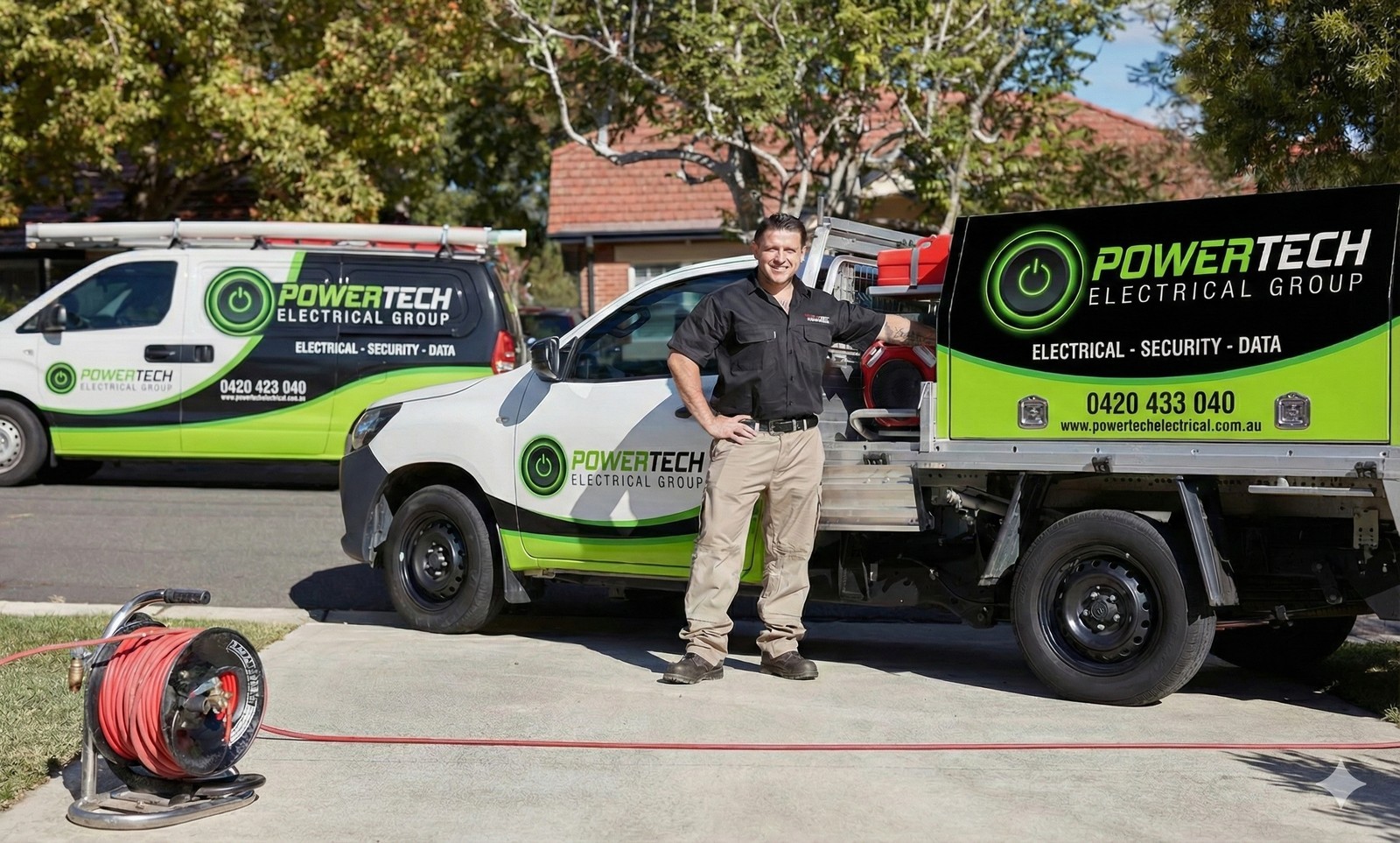
Mario Kyriacou
Owner & Licensed Master Electrician | Powertech Electrical
25+ Years Experience
Licence #319066C
Inner West Sydney
52+ Five-Star Reviews
I am Mario Kyriacou, Owner and Licensed Master Electrician at Powertech Electrical in Sydney’s Inner West. With over 25 years of experience serving residential and commercial properties across Newtown, Marrickville, Leichhardt, Stanmore, Petersham and Ashfield, I’ve built Powertech on the principles of transparency, reliability and quality workmanship.
I attribute the success of Powertech Electrical to a simple philosophy: treat every customer’s home with respect, provide honest upfront pricing, and do electrical work I’m proud to put my name on. After a quarter-century in this industry, I’ve learned that what Inner West homeowners value most isn’t flashy marketing – it’s an electrician who actually shows up when promised, tells you the price before starting work, and does the job properly the first time.
I believe transparency is essential in the trades. That’s why every quote I provide includes a detailed breakdown of labour and materials before any work begins. The quote you receive is the price you pay – no surprises, no hidden fees, no “oh actually it’s more” when the job is finished. This straightforward approach has earned Powertech Electrical 52+ five-star Google reviews from satisfied Inner West customers.
Whether it’s a 2am emergency power outage or a planned kitchen renovation, I personally answer the phone at 0420 433 040. When you call Powertech, you’re speaking with a real electrician who can answer your questions immediately – not a call centre taking messages. This personal accountability matters to me, and I know it matters to the families and businesses who trust me with their electrical work.
I’m proud to be fully licensed (Contractor Licence #319066C), hold professional membership with Master Electricians Australia, and carry $20M Public Liability Insurance for complete customer protection. I maintain current police checks and ID verification as part of my commitment to providing safe, trustworthy service to Inner West homes and businesses.
Running a family-owned electrical business for 25+ years has taught me that success isn’t about being the biggest company – it’s about being the most reliable. It’s about earning the trust of every customer, one transparent quote and one quality installation at a time. That’s the Powertech guarantee, and it’s the standard I hold myself to on every single job.
Need a Licensed Electrician?
Speak directly with Mario for transparent pricing and professional electrical service across Inner West Sydney
0420 433 040
Available 24/7 for emergencies | Same-day quotes for installations