
Wondering what an RCD safety switch actually costs? I’ll give you the straight answer. Standard RCD installation in Sydney ranges from $180-$350 per switch, depending on your switchboard and installation complexity. Let me break down exactly what you’ll pay—and why it’s the smartest safety investment you’ll make.
Quick Price Guide: RCD Safety Switch Sydney
Before we dive into details, here’s what you’re looking at:
Standard Installation Costs
- Single RCD installation: $180-$280
- Dual RCD installation: $320-$500
- RCBO installation (per circuit): $150-$220
- Full switchboard with RCDs: $2,000-$4,000
- RCD replacement: $150-$250
RCD Types and Unit Costs
- Standard 30mA RCD: $80-$150 (unit only)
- Premium RCD with surge protection: $150-$280
- RCBO (single circuit): $80-$150
- Type A RCD (EV charging): $120-$200
- Type B RCD (solar/medical): $200-$350
Labour and Service Costs
- Standard installation labour: $100-$180
- Call-out fee: $80-$120 (often waived)
- Testing and certification: Included
- Emergency same-day service: +30-50% premium
- Switchboard modifications: $150-$400 extra
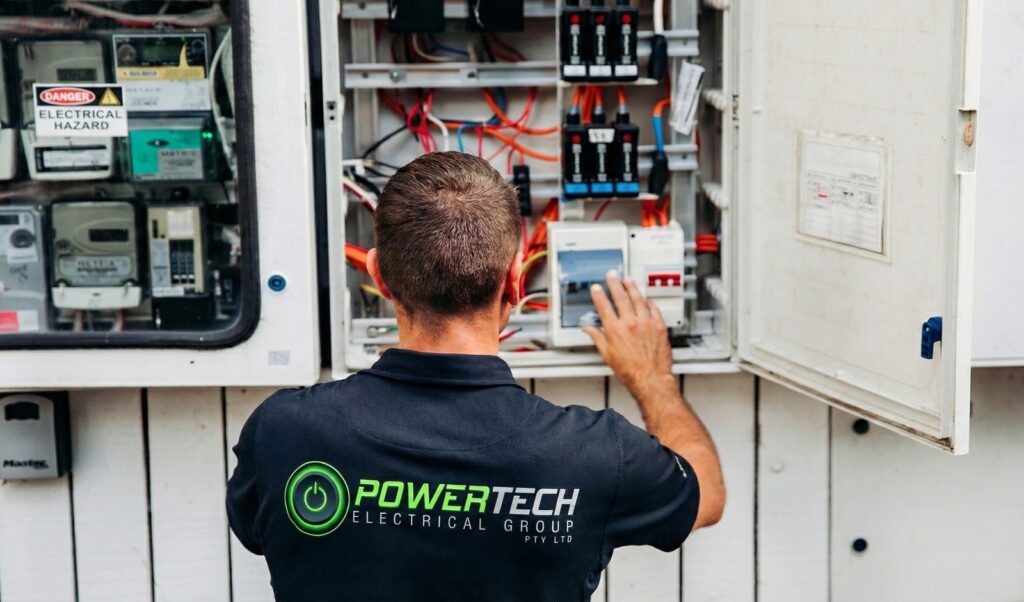
Understanding RCD Safety Switches
RCD stands for Residual Current Device. It’s a life-saving device that prevents electrocution.
RCDs monitor electrical current constantly. They detect tiny leakages and cut power instantly.
How RCDs Save Lives
Think of RCDs as electrical airbags. They react in milliseconds when danger strikes.
RCDs work by detecting current imbalance. When electricity leaks (through you or faulty wiring), they trip within 30 milliseconds.
This split-second response prevents:
- Fatal electrocution from faulty appliances
- Electric shock injuries
- Electrical fires from earth faults
- Damage to sensitive electronics
- Accidental contact with live wires
Legal Requirements in Sydney
NSW law mandates RCD protection. Your switchboard must comply with current standards.
Mandatory RCD requirements include:
- All power point circuits must have RCD protection
- All lighting circuits require RCD protection
- New builds need comprehensive RCD coverage
- Renovations trigger RCD installation requirements
- Rental properties must have compliant RCDs
- AS/NZS 3000:2018 compliance mandatory
RCD vs Circuit Breaker
They’re completely different safety devices. Each protects against distinct hazards.
Circuit breakers protect equipment. They prevent overloading and short circuits.
RCDs protect people. They prevent electrocution and electric shock.
| Feature | RCD | Circuit Breaker |
|---|---|---|
| Primary Protection | People (electrocution) | Equipment (overload) |
| Detects | Current leakage | Overcurrent/short circuit |
| Response Time | Under 30ms | Seconds to minutes |
| Sensitivity | 30mA (milliamps) | 6-32A (amps) |
| Required By Law | Yes (all circuits) | Yes (overcurrent protection) |
| Typical Cost | $180-$280 | $25-$80 |
Breaking Down Installation Costs
Labour Charges
Licensed electricians charge $100-$150 per hour in Sydney. Most RCD installations take 1-2 hours.
Typical installation timeframes:
- Single RCD installation: 1-1.5 hours = $100-$180
- Dual RCD system: 1.5-2.5 hours = $150-$300
- Complete switchboard upgrade: 4-6 hours = $400-$900
- RCBO installation (multiple): 2-3 hours = $200-$450
Factors affecting labour time:
- Switchboard age and condition
- Available space in switchboard
- Wiring complexity and labelling
- Number of circuits requiring protection
- Accessibility of switchboard location
RCD Unit Costs
Quality matters significantly with RCDs. Premium brands offer better reliability and longevity.
| RCD Type | Unit Cost | Best For | Lifespan |
|---|---|---|---|
| Standard 30mA RCD | $80-$120 | General residential use | 10-15 years |
| Premium RCD | $120-$180 | Reliable long-term protection | 15-20 years |
| RCD with surge protection | $150-$280 | Sensitive electronics protection | 10-15 years |
| RCBO (combined) | $80-$150 | Individual circuit protection | 10-15 years |
| Type A RCD | $120-$200 | EV charging, modern appliances | 10-15 years |
| Type B RCD | $200-$350 | Solar, medical equipment | 10-15 years |
Additional Materials
Installation often requires supplementary components. These add to overall project cost.
Common additional costs:
- Din rail extensions: $15-$30
- Busbar modifications: $20-$50
- Cable extensions: $10-$40
- Circuit labels: $5-$15
- Switchboard modifications: $50-$200
- Testing equipment usage: Included in labour
Testing and Certification
Comprehensive testing ensures proper RCD operation. Licensed electricians certify all installations.
Testing procedures include:
- RCD trip time verification (must be under 30ms)
- Trip current testing (30mA threshold)
- Polarity checks
- Earth continuity verification
- Insulation resistance testing
- Compliance certification issuance
Certification costs: Typically included in installation quote.
Types of RCDs Explained
Standard RCD (Type AC)
Most common residential RCD type. Suitable for majority of household applications.
Type AC characteristics:
- Detects AC sinusoidal residual currents
- 30mA trip threshold
- Protects most household circuits
- Lowest cost option
- Adequate for standard appliances
Installation cost: $180-$280 including labour.
Type A RCD
Required for modern appliances and EV charging. Detects pulsating DC residual currents.
Type A applications:
- Electric vehicle charging stations
- Modern washing machines
- Variable speed drives
- LED lighting circuits
- Computer and electronics
Installation cost: $220-$350 including labour.
Type B RCD
Specialist RCD for advanced applications. Detects smooth DC residual currents.
Type B requirements:
- Solar panel installations
- Medical equipment circuits
- Industrial machinery
- Battery storage systems
- Frequency converters
Installation cost: $320-$480 including labour.
RCBO (Residual Current Breaker with Overcurrent)
RCBOs combine RCD and circuit breaker. They provide both protection types in single unit.
RCBO advantages:
- Individual circuit protection
- Fault isolation (only affected circuit trips)
- Space-saving switchboard design
- Easier fault finding
- Nuisance tripping reduction
RCBO disadvantages:
- Higher per-circuit cost
- More units to maintain
- Larger initial investment
Installation cost: $150-$220 per circuit.
Factors Affecting RCD Installation Cost
Switchboard Condition and Age
Modern switchboards accept RCDs easily. Older boards often need complete replacement.
Switchboard compatibility:
- Modern board (post-2000): Direct RCD installation possible
- Older board (1980s-2000): May need modifications ($100-$300)
- Ceramic fuse board: Complete replacement required ($2,000-$4,000)
- Asbestos board: Specialist removal needed ($500-$1,500 extra)
Number of RCDs Required
More circuits mean more RCDs needed. Current standards demand comprehensive protection.
Typical residential requirements:
- Small apartment: 1-2 RCDs
- Standard home: 2-3 RCDs
- Large home: 3-4 RCDs or RCBO system
- Multi-storey: 4-6 RCDs minimum
Multiple RCD pricing:
- First RCD: $180-$280
- Second RCD: $150-$240 (10% discount)
- Third+ RCD: $130-$220 each (20% discount)
Installation Complexity
Simple installations cost less than complex modifications. Available space matters significantly.
Complexity factors:
- Direct replacement: Lowest cost, minimal work
- Sufficient switchboard space: Standard installation
- Limited space: Board extension needed (+$150-$300)
- Complete rewiring: Highest cost (+$500-$1,500)
- Heritage building: Special care required (+$200-$500)
RCD Type and Specification
Advanced RCD types cost more. Match RCD specification to your actual needs.
Cost progression by type:
- Type AC (standard): Base cost
- Type A (EV/modern): +25-35%
- Type B (solar/medical): +60-80%
- RCBO system: +20-40% per circuit
Location and Accessibility
Difficult-to-access switchboards increase labour time. Awkward locations cost more.
Access considerations:
- Standard wall-mounted: Base rate
- High-mounted location: +$50-$100
- External weatherproof: +$80-$150
- Cramped or confined: +$100-$200
- Heritage constraints: +$150-$300
When RCD Installation Is Required
New Construction
All new builds must have complete RCD protection. No exceptions permitted under current codes.
New construction requirements:
- RCD on all final circuits
- Separate RCDs for lighting and power
- Type A RCD for EV charging circuits
- Full compliance certification
Renovations and Extensions
Major electrical work triggers RCD requirements. Partial renovations may need full switchboard upgrade.
Renovation RCD triggers:
- Kitchen renovations
- Bathroom additions
- Room extensions
- Pool or spa installations
- Home office additions
Property Sales
Many buyers demand RCD compliance. Some contracts require installation before settlement.
Pre-sale considerations:
- Increases property value
- Speeds up sale process
- Reduces buyer negotiation leverage
- Demonstrates care and maintenance
Insurance Requirements
Some insurers mandate RCD protection. Non-compliance may void coverage.
Insurance implications:
- Lower premiums with RCDs installed
- Claim validity protection
- Liability coverage assurance
- Peace of mind guarantee
RCD Maintenance and Testing
Regular Testing Requirements
Test your RCDs every three months. It’s simple and takes seconds.
Testing procedure:
- Press the TEST button on RCD
- RCD should trip immediately
- Power to protected circuits cuts off
- Reset RCD by switching back on
- Power should restore normally
If RCD doesn’t trip when tested: Call electrician immediately. Your safety is compromised.
Professional Testing Schedule
Licensed electricians should test RCDs professionally. Recommended every 2-3 years.
Professional testing includes:
- Precise trip time measurement
- Trip current verification
- Contact resistance checks
- Mechanical operation assessment
- Compliance documentation
Professional testing cost: $80-$150 per visit.
When to Replace RCDs
RCDs don’t last forever. Replace them before they fail.
Replacement indicators:
- RCD won’t reset after tripping
- Fails quarterly test button check
- Over 15-20 years old
- Visible damage or corrosion
- Frequent nuisance tripping
- Failed professional test
Replacement cost: Similar to new installation ($150-$280).
Common RCD Problems
Nuisance Tripping
RCDs tripping without obvious faults frustrate homeowners. Several causes create this problem.
Common tripping causes:
- Faulty appliances with earth leakage
- Moisture in electrical fittings
- Damaged cables or insulation
- Normal earth leakage accumulation
- Aged or degraded RCD
Solutions include:
- Identify and repair faulty appliances
- Install RCBO system (isolates faults)
- Upgrade to higher quality RCD
- Professional electrical inspection
RCD Won’t Reset
If RCD won’t reset, serious fault exists. Never bypass or ignore this issue.
Possible causes:
- Ongoing earth fault in circuit
- Damaged RCD mechanism
- Faulty appliance still connected
- Water ingress in electrical system
- Failed RCD requiring replacement
Action required: Call licensed electrician immediately. Don’t attempt DIY repairs.
Delayed Tripping
RCDs should trip within 30 milliseconds. Delayed response indicates problems.
Professional testing determines:
- Actual trip time
- Whether RCD meets safety standards
- If replacement is necessary
- Underlying circuit issues
Money-Saving Strategies
Bundle with Other Electrical Work
Combine RCD installation with other services. Save on call-out fees and labour.
Bundling opportunities:
- RCD + switchboard upgrade
- RCD + smoke alarm installation
- RCD + additional power points
- RCD + lighting upgrades
Choose Appropriate RCD Type
Don’t overspend on unnecessary features. Match RCD type to actual requirements.
Smart choices:
- Type AC for standard circuits
- Type A only where actually needed
- Consider RCBO only if nuisance tripping issues
- Quality over premium unnecessary features
Schedule During Business Hours
Avoid premium after-hours and weekend rates. Plan ahead for weekday appointments.
Scheduling savings:
- Weekday standard: Base rate
- After hours: +30-40% premium
- Weekends: +20-30% premium
- Public holidays: +50-80% premium
Preventative Installation
Don’t wait for electrical emergencies. Proactive installation costs less than emergency work.
Emergency vs planned costs:
- Planned installation: $180-$280
- Emergency installation: $280-$450
- Savings: $100-$170 per RCD
What Powertech Electrical Group Charges
We believe in transparent, competitive pricing. Our RCD installation rates reflect quality workmanship and compliance.
Our standard rates:
- Single RCD installation: $195-$260
- Dual RCD system: $340-$480
- RCBO installation: $165-$210 per circuit
- Complete switchboard upgrade: $2,200-$3,800
- RCD testing and certification: $95-$140
What’s included:
- Professional switchboard assessment
- Premium quality RCD units
- Complete installation and wiring
- Comprehensive testing and verification
- Compliance certification
- Circuit labelling and documentation
- 12-month workmanship warranty
- Operational demonstration
- Maintenance advice
Our promise: Fixed-price quotes with no hidden surprises.
Questions to Ask Your Electrician
Licensing and Qualifications
Always verify credentials before hiring. Request specific documentation.
Essential questions:
- “What’s your electrical license number?”
- “Can I verify your license online?”
- “Do you carry public liability insurance?”
- “Have you installed RCDs before?”
- “Can you provide references?”
RCD Specifications
Understand exactly what’s being installed. Different RCDs suit different applications.
Specification questions:
- “What type of RCD do I need?”
- “What brand will you install?”
- “How many RCDs are required?”
- “Will my switchboard need upgrading?”
- “What warranty comes with the RCD?”
Compliance and Certification
Get everything in writing before work begins. Protect yourself legally.
Compliance questions:
- “Will you provide compliance certification?”
- “Is the work covered by warranty?”
- “What testing will you perform?”
- “How do I test the RCD myself?”
- “What documentation will I receive?”
Red Flags When Hiring
Unlicensed Operators
Never hire unlicensed electricians. It’s illegal, dangerous, and voids insurance.
Warning signs:
- Can’t provide license number
- Refuses to show credentials
- Offers suspiciously cheap rates
- Demands cash-only payment
- No business address or ABN
- Won’t provide written quotes
Incomplete Quotes
Detailed quotes protect both parties. Vagueness suggests hidden costs.
Quote red flags:
- No itemised breakdown
- Verbal estimates only
- Missing RCD specifications
- No warranty mentioned
- Unclear payment terms
Pressure Tactics
Professional electricians don’t pressure clients. Aggressive tactics indicate problems.
Pressure indicators:
- “Today only” discount demands
- Immediate deposit requirements
- Reluctance to allow comparisons
- Aggressive follow-up
- False urgency claims
Why Professional RCD Installation Matters
DIY RCD installation is illegal and dangerous. Professional installation ensures safety and compliance.
Professional benefits:
- Correct RCD type selection
- Legal compliance assurance
- Proper circuit protection design
- Safe installation to standards
- Insurance coverage validity
- Warranty protection
- Expert testing and certification
- Peace of mind
DIY risks include:
- Electrocution during installation
- Incorrect RCD type selection
- Non-compliant installation
- Electrical safety hazards
- Voided insurance coverage
- Failed safety inspections
- Legal penalties and fines
The question isn’t whether to use professionals—it’s who to trust with your family’s safety.
Your Next Steps
Ready to install RCD safety switches in Sydney? Don’t rush into the first quote you receive.
Smart approach:
- Check your switchboard for existing RCDs
- Determine how many RCDs you need
- Get 2-3 written quotes from licensed electricians
- Verify all licenses and insurance
- Compare scope and value, not just price
- Check reviews and references
- Ask questions until confident
- Choose based on expertise and trust
Contact Powertech Electrical Group for professional RCD installation. We’ll assess your switchboard, recommend optimal solutions, and provide transparent fixed-price quotes.
Remember: RCDs are the most effective protection against electrocution. They’re not expensive—they’re invaluable. Invest in proper installation for protection that could save your life.
Your family’s safety is non-negotiable. Choose licensed professionals who prioritise protection over profit.
- About the Author
- Latest Posts
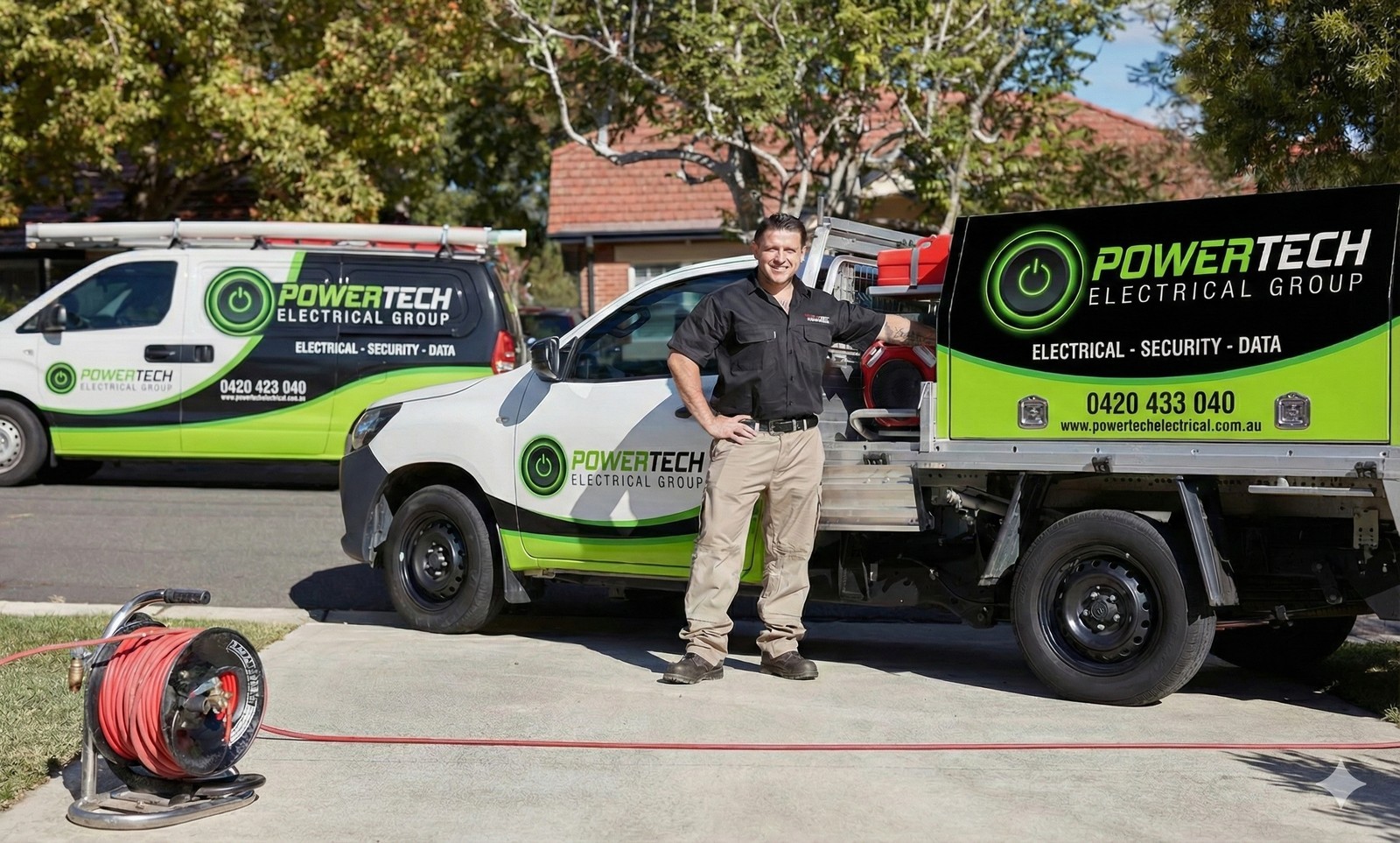
Mario Kyriacou
Owner & Licensed Master Electrician | Powertech Electrical
25+ Years Experience
Licence #319066C
Inner West Sydney
52+ Five-Star Reviews
I am Mario Kyriacou, Owner and Licensed Master Electrician at Powertech Electrical in Sydney’s Inner West. With over 25 years of experience serving residential and commercial properties across Newtown, Marrickville, Leichhardt, Stanmore, Petersham and Ashfield, I’ve built Powertech on the principles of transparency, reliability and quality workmanship.
I attribute the success of Powertech Electrical to a simple philosophy: treat every customer’s home with respect, provide honest upfront pricing, and do electrical work I’m proud to put my name on. After a quarter-century in this industry, I’ve learned that what Inner West homeowners value most isn’t flashy marketing – it’s an electrician who actually shows up when promised, tells you the price before starting work, and does the job properly the first time.
I believe transparency is essential in the trades. That’s why every quote I provide includes a detailed breakdown of labour and materials before any work begins. The quote you receive is the price you pay – no surprises, no hidden fees, no “oh actually it’s more” when the job is finished. This straightforward approach has earned Powertech Electrical 52+ five-star Google reviews from satisfied Inner West customers.
Whether it’s a 2am emergency power outage or a planned kitchen renovation, I personally answer the phone at 0420 433 040. When you call Powertech, you’re speaking with a real electrician who can answer your questions immediately – not a call centre taking messages. This personal accountability matters to me, and I know it matters to the families and businesses who trust me with their electrical work.
I’m proud to be fully licensed (Contractor Licence #319066C), hold professional membership with Master Electricians Australia, and carry $20M Public Liability Insurance for complete customer protection. I maintain current police checks and ID verification as part of my commitment to providing safe, trustworthy service to Inner West homes and businesses.
Running a family-owned electrical business for 25+ years has taught me that success isn’t about being the biggest company – it’s about being the most reliable. It’s about earning the trust of every customer, one transparent quote and one quality installation at a time. That’s the Powertech guarantee, and it’s the standard I hold myself to on every single job.
Need a Licensed Electrician?
Speak directly with Mario for transparent pricing and professional electrical service across Inner West Sydney
0420 433 040
Available 24/7 for emergencies | Same-day quotes for installations