
Staring at a cracked light switch wondering what replacement will cost? I’ll give you the straight answer. Standard switch replacement in Sydney runs $100-$200, including labour and materials. But let me break down exactly what affects that price—and when you’ll pay more.
Quick Price Guide: Light Switch Replacement Sydney
Before we dive deep, here’s what you’re looking at:
Standard Replacement Costs
- Single switch replacement: $100-$150
- Double switch replacement: $120-$180
- Dimmer switch installation: $150-$250
- Smart switch installation: $200-$350
- Timer switch installation: $180-$280
- Motion sensor switch: $200-$320
Switch Type and Material Costs
- Basic toggle switch: $5-$15 (unit only)
- Rocker switch: $8-$20
- Standard dimmer: $25-$60
- LED-compatible dimmer: $40-$80
- Smart switch (WiFi): $80-$180
- Premium designer switch: $30-$120
- Outdoor weatherproof switch: $25-$50
Labour Rate Breakdown
- Standard hourly rate: $100-$150
- Call-out fee: $80-$120 (often waived)
- After-hours rate: $150-$220 per hour
- Weekend rate: $130-$180 per hour
- Emergency rate: $200-$300 per hour
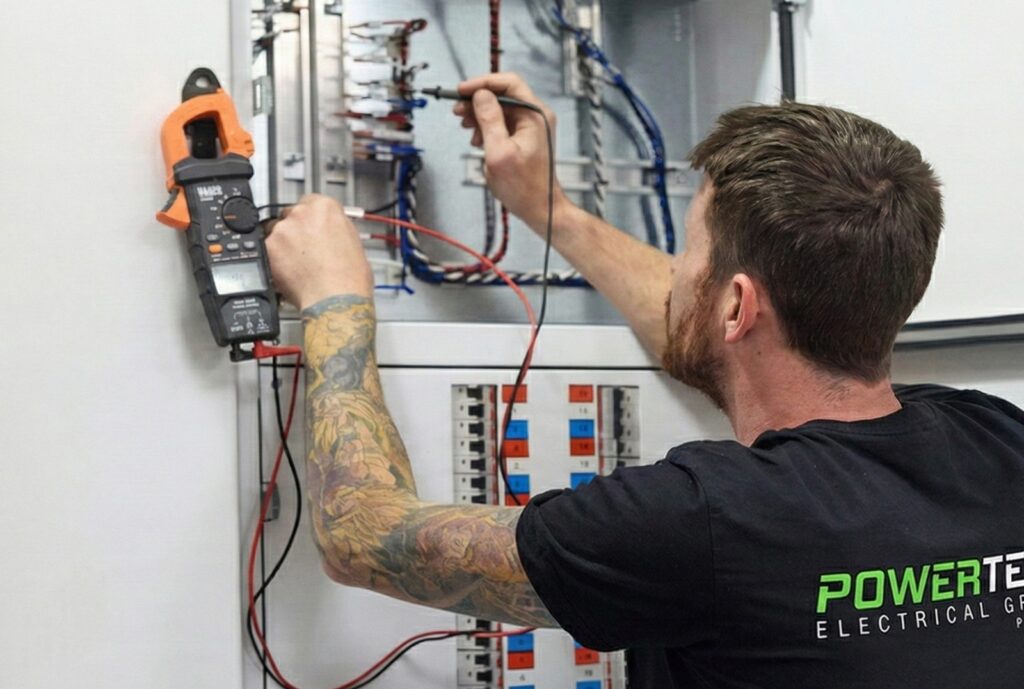
Understanding Light Switch Replacement
Light switches wear out over time. Constant use degrades internal contacts, creating safety hazards and performance issues.
Common replacement reasons include:
- Switches not turning lights on/off reliably
- Sparking or crackling sounds
- Warm or hot switch plates
- Broken or cracked switch mechanisms
- Outdated or damaged switch covers
- Upgrading to modern switch types
- Home renovation and modernisation
- Safety compliance requirements
Why You Need a Licensed Electrician
DIY switch replacement is illegal in Australia. Only licensed electricians can legally perform electrical work, including switch replacement.
Legal and safety reasons:
- Compliance with AS/NZS 3000 wiring standards
- Insurance coverage validity
- Safety certification requirements
- Electrical shock prevention
- Fire hazard elimination
- Proper earthing and circuit protection
- Legal liability protection
Unlicensed work voids insurance. House fires caused by DIY electrical work aren’t covered by home insurance policies.
When to Replace Light Switches
Don’t wait until complete failure. Early warning signs indicate when replacement is necessary.
Replace switches immediately if:
- Switch feels hot to touch
- Sparking visible when operating
- Crackling or buzzing sounds occur
- Switch mechanism is loose or wobbly
- Lights flicker despite new globes
- Switch doesn’t stay in position
- Visible scorch marks around switch
- Burning smell near switch
Breaking Down Replacement Costs
Labour Charges
Electrician labour typically costs $100-$150 per hour in Sydney. Most single switch replacements take 30-60 minutes.
Standard replacement (straightforward swap): 30-45 minutes = $50-$100
Complex replacement (wiring issues, multiple switches): 60-90 minutes = $100-$180
Many electricians charge a minimum call-out. This covers their travel time and ensures job viability.
Switch Unit Costs
Switch prices vary dramatically by type and quality. Basic switches cost under $10, while smart switches exceed $150.
| Switch Type | Unit Cost | Best For |
|---|---|---|
| Basic Toggle | $5-$15 | Simple on/off applications |
| Rocker Switch | $8-$20 | Modern aesthetic preference |
| Standard Dimmer | $25-$60 | Adjustable lighting levels |
| LED Dimmer | $40-$80 | LED bulb compatibility |
| Smart Switch | $80-$180 | Home automation integration |
| Timer Switch | $35-$90 | Scheduled lighting control |
| Motion Sensor | $45-$120 | Automatic lighting activation |
Additional Materials
Switch replacement often requires supplementary materials. These add to total project cost.
Common additional costs:
- Switch plate covers: $3-$25 each
- Wall box (if damaged): $8-$20
- Wiring (if replacement needed): $15-$40
- Wire connectors and terminals: $5-$15
- Electrical tape and supplies: $5-$10
- Testing equipment usage: Included in labour
Factors Affecting Replacement Cost
Switch Type and Complexity
Basic switches cost less to install. Smart and specialised switches require additional setup time.
Installation complexity by type:
- Toggle/rocker switch: 20-30 minutes installation
- Standard dimmer: 30-45 minutes installation
- LED dimmer: 35-50 minutes (compatibility testing)
- Smart switch: 60-90 minutes (programming required)
- Timer switch: 45-60 minutes (setup needed)
- Motion sensor: 50-75 minutes (calibration essential)
Number of Switches
Multiple switch replacement reduces per-unit cost. Electricians offer volume discounts for larger jobs.
Typical pricing structure:
- Single switch: $100-$150
- Two switches: $160-$240 (20% savings)
- Three switches: $210-$300 (30% savings)
- Four+ switches: $70-$90 per switch
Whole-home switch upgrades attract package pricing around $60-$80 per switch when replacing 10+ units.
Existing Wiring Condition
Old or damaged wiring increases costs. Non-compliant installations require additional rectification work.
Wiring complications:
- Standard compliant wiring: No additional cost
- Minor wiring repairs: +$50-$100
- Rewiring to switch: +$100-$250
- Complete circuit replacement: +$300-$600
- Switchboard modifications: +$150-$400
Wall Box Condition
Damaged wall boxes need replacement. This adds time and materials to the job.
Wall box scenarios:
- Standard box (good condition): No extra cost
- Cracked or damaged box: +$30-$60
- Non-standard size requiring adaptation: +$40-$80
- Wall repair around box: +$50-$150
- Deeper box for smart switch: +$35-$70
Accessibility and Location
Hard-to-reach switches cost more. Difficult access increases labour time significantly.
Access considerations:
- Standard wall height: Base rate
- High ceilings requiring ladders: +$30-$60
- Tight spaces or awkward locations: +$40-$80
- Outdoor or weather-exposed: +$50-$100
- Heritage buildings (special care): +$60-$120
Urgency and Timing
Emergency and after-hours work costs premium. Standard business hour appointments save money.
Timing-based rates:
- Business hours (Mon-Fri 7am-5pm): Standard rate
- After hours (5pm-10pm): +30-50% premium
- Weekends: +20-40% premium
- Public holidays: +50-100% premium
- Emergency same-day: +40-80% premium
Different Switch Types Explained
Standard Toggle and Rocker Switches
These are the most common residential switches. Simple on/off functionality with reliable performance.
Toggle switch features:
- Classic lever-style operation
- Extremely reliable mechanism
- Lowest cost option ($5-$15)
- Easy replacement and maintenance
- Universal availability
Rocker switch features:
- Modern paddle-style design
- Easier to operate (larger surface)
- Contemporary aesthetic appeal
- Slightly higher cost ($8-$20)
- Popular in new builds
Dimmer Switches
Dimmer switches control light intensity. They’re perfect for creating ambiance and reducing energy consumption.
Standard dimmer switches:
- Work with incandescent and halogen bulbs
- Rotary or slide controls
- Simple installation process
- Cost: $25-$60 for unit
- May buzz with incompatible loads
LED-compatible dimmers:
- Specifically designed for LED bulbs
- Prevent flickering and buzzing
- Smooth dimming performance
- Cost: $40-$80 for unit
- Essential for modern lighting
Always match dimmer to bulb type. Using standard dimmers with LEDs causes flickering, buzzing, and premature failure.
Smart Switches
Smart switches integrate with home automation. Control lights remotely via smartphone apps or voice commands.
Smart switch capabilities:
- WiFi or Bluetooth connectivity
- Smartphone app control
- Voice assistant integration (Alexa, Google, Siri)
- Scheduling and automation
- Energy monitoring (some models)
- Remote access from anywhere
- Scene creation and customisation
Smart switch considerations:
- Requires neutral wire at switch location
- Needs stable WiFi coverage
- Higher upfront cost ($80-$180)
- Longer installation time (setup required)
- Ongoing software updates needed
Timer and Motion Sensor Switches
Automated switches improve convenience and efficiency. They’re perfect for specific applications and energy saving.
Timer switch applications:
- Bathroom exhaust fans
- Outdoor security lighting
- Garage and workshop lights
- Holiday lighting control
- Energy cost reduction
Motion sensor applications:
- Hallways and staircases
- Laundries and storage rooms
- Garages and carports
- Outdoor entry areas
- Hands-free operation needs
Specialty Switches
Specialty switches serve specific purposes. They cost more but solve unique challenges.
Common specialty types:
- Three-way switches: Control one light from two locations
- Four-way switches: Control from three+ locations
- Illuminated switches: LED indicator for visibility
- Weatherproof switches: Outdoor-rated protection
- Tamper-resistant switches: Child safety features
- Key-operated switches: Security applications
DIY vs Professional Installation
Why DIY Is Illegal and Dangerous
Australian law prohibits unlicensed electrical work. This isn’t bureaucratic nonsense—it’s life-saving regulation.
Legal consequences:
- Fines up to $40,000 for individuals
- Voided home insurance coverage
- Difficulty selling property (disclosure required)
- Personal liability for accidents
- Prosecution for serious breaches
Safety risks:
- Electric shock (potentially fatal)
- Electrical fires from poor connections
- Damage to electrical devices
- Injury to family members
- Property damage
What Licensed Electricians Provide
Professional electricians deliver more than switch replacement. You’re paying for expertise, safety, and compliance.
Professional services include:
- Safety inspection and testing
- Code compliance verification
- Proper earthing and protection
- Warranty on workmanship
- Electrical safety certification
- Insurance coverage
- Problem identification and solutions
- Expert advice and recommendations
How to Save Money on Switch Replacement
Bundle Multiple Switches
Replace multiple switches in one visit. Volume discounts significantly reduce per-switch costs.
Money-saving strategy:
- Inspect all switches for wear
- Create replacement priority list
- Replace all needed switches together
- Save on multiple call-out fees
- Reduce total labour time
Choose Appropriate Switch Types
Don’t overspend on unnecessary features. Match switch capabilities to actual needs.
Smart selection tips:
- Basic switches for simple applications
- Dimmers only where ambiance matters
- Smart switches for frequently adjusted lights
- Motion sensors in appropriate locations only
- Avoid premium aesthetics unless visible
Schedule During Business Hours
Avoid premium after-hours and weekend rates. Plan ahead for business hour appointments.
Scheduling savings:
- Book 1-2 weeks in advance
- Choose weekday appointments
- Avoid public holidays
- Don’t wait for emergencies
- Save 20-50% on labour
Provide Clear Access
Prepare work areas before electrician arrives. Easy access reduces billable time.
Preparation steps:
- Clear furniture from switch areas
- Ensure clear pathway to switches
- Provide adequate lighting
- Remove obstacles and decorations
- Inform electrician of any issues
Buy Switches Yourself (Carefully)
Purchasing switches independently can save money. But ensure compatibility and quality.
DIY purchasing tips:
- Consult electrician before buying
- Stick to reputable brands
- Verify Australian compliance
- Keep all receipts and packaging
- Understand electrician may charge markup
Warning: Some electricians won’t install customer-supplied switches due to warranty concerns.
What Powertech Electrical Group Charges
We believe in transparent, competitive pricing. Our switch replacement rates reflect quality workmanship and full compliance.
Our standard rates:
- Single switch replacement: $110-$140
- Dimmer installation: $160-$220
- Smart switch installation: $220-$320
- Multiple switches: From $80 per additional switch
- Call-out fee: Waived for most jobs
What’s included:
- Professional safety assessment
- Quality switches (or install yours)
- All wiring and connections
- Testing and certification
- Cleanup and disposal
- 12-month workmanship warranty
- Compliance documentation
Our promise: Fixed-price quotes with no hidden surprises. What we quote is what you pay.
Questions to Ask Your Electrician
Licensing and Credentials
Always verify electrician credentials before hiring. Request specific documentation.
Essential questions:
- “What’s your electrical license number?”
- “Can I verify your license online?”
- “Do you carry public liability insurance?”
- “How long have you been licensed?”
- “Are you experienced with this switch type?”
Pricing and Payment
Get everything in writing before work begins. Verbal quotes lead to disputes.
Pricing questions:
- “Can you provide a written quote?”
- “What exactly is included in this price?”
- “Are there any potential additional costs?”
- “What’s your payment schedule?”
- “Do you offer any warranties?”
- “What if problems are discovered during work?”
Work Process and Timeline
Understand what to expect during the job. Clear communication prevents misunderstandings.
Process questions:
- “How long will the job take?”
- “Will power need to be shut off?”
- “What preparation should I do?”
- “Will you test after installation?”
- “What cleanup is included?”
- “When can you schedule the work?”
Red Flags When Hiring
Unlicensed or Uninsured Operators
Never hire unlicensed electricians. The savings aren’t worth the risks.
Warning signs:
- Can’t provide license number immediately
- Reluctant to show insurance certificates
- Offers suspiciously cheap rates
- Demands cash-only payment
- No business address or ABN
- Won’t provide written quotes
Vague or Incomplete Quotes
Detailed quotes protect both parties. Vagueness suggests potential price inflation.
Quote red flags:
- No itemised breakdown
- Verbal estimates only
- Huge price ranges (“$100-$500”)
- Missing material specifications
- No timeline provided
- Unclear warranty terms
High-Pressure Sales Tactics
Professional electricians don’t pressure clients. Aggressive tactics indicate desperation or dishonesty.
Pressure indicators:
- “Today only” discount demands
- Insistence on immediate deposits
- Reluctance to allow comparison shopping
- Aggressive follow-up calls
- Claims of limited availability
- Pushing unnecessary upgrades
Long-Term Value of Quality Work
Cheap switch replacement often costs more long-term. Quality work ensures safety, reliability, and compliance.
Quality installation provides:
- Decades of reliable operation
- Safety for your family
- Insurance coverage validity
- Code compliance assurance
- Warranty protection
- Professional troubleshooting
- Peace of mind
Poor installation causes:
- Electrical fires and hazards
- Premature switch failure
- Voided warranties
- Insurance claim rejections
- Expensive rectification work
- Ongoing problems and frustration
The real question isn’t cost—it’s value. Proper installation protects your family and property investment.
Your Next Steps
Need light switch replacement in Sydney? Don’t rush into the first quote you receive.
Smart approach:
- Identify all switches needing replacement
- Decide on switch types and features
- Get 2-3 written quotes from licensed electricians
- Verify licenses and insurance
- Compare scope and value, not just price
- Check reviews and references
- Ask questions until confident
- Schedule during business hours for best rates
Contact Powertech Electrical Group for professional light switch replacement. We’ll assess your needs, recommend appropriate options, and provide transparent fixed-price quotes.
Remember: Light switches are safety devices that carry 240V electricity. Invest in proper replacement for results that protect your family and last for decades.
Your home’s electrical safety matters. Choose licensed professionals who prioritise quality and compliance over quick profits.
- About the Author
- Latest Posts
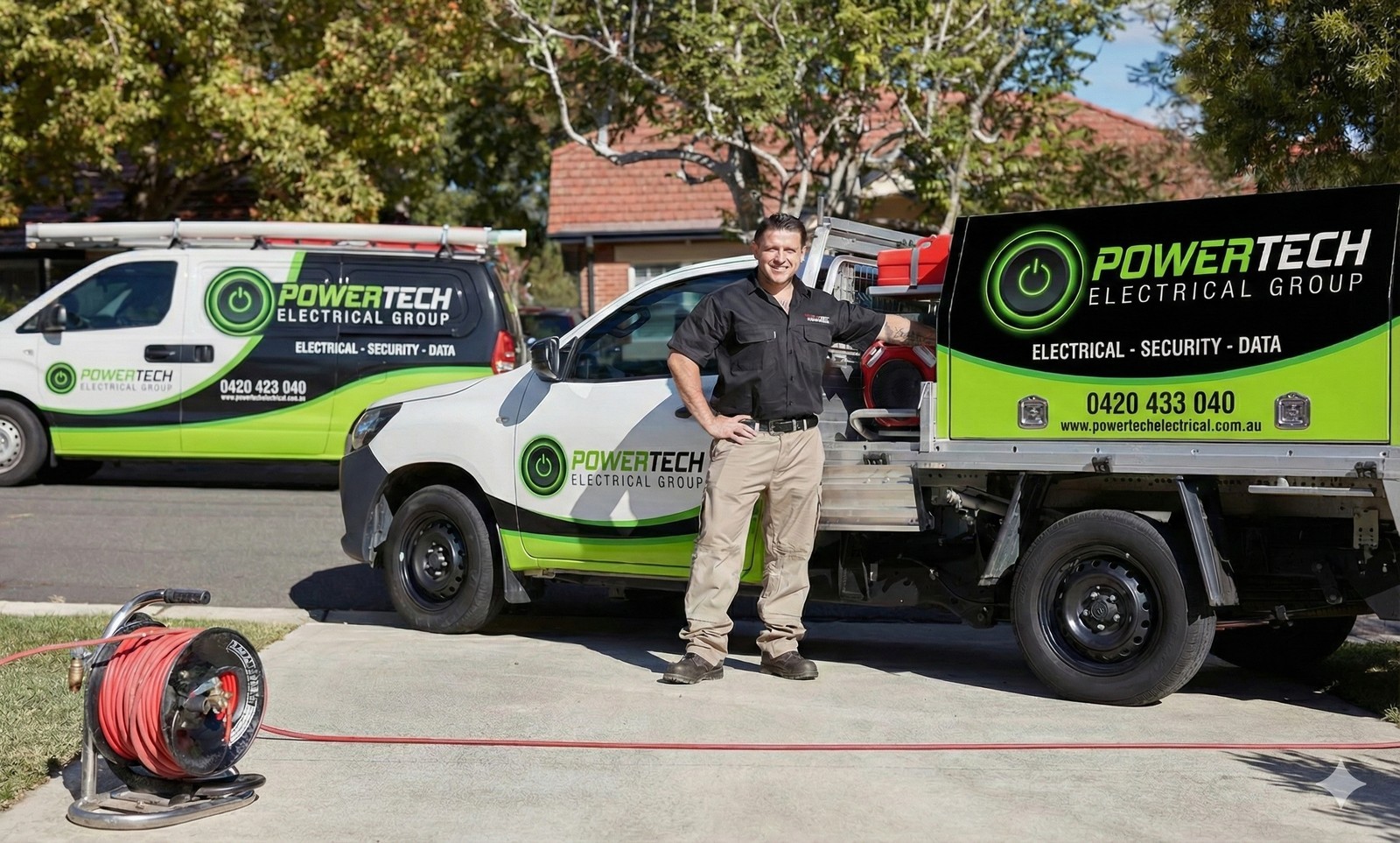
Mario Kyriacou
Owner & Licensed Master Electrician | Powertech Electrical
25+ Years Experience
Licence #319066C
Inner West Sydney
52+ Five-Star Reviews
I am Mario Kyriacou, Owner and Licensed Master Electrician at Powertech Electrical in Sydney’s Inner West. With over 25 years of experience serving residential and commercial properties across Newtown, Marrickville, Leichhardt, Stanmore, Petersham and Ashfield, I’ve built Powertech on the principles of transparency, reliability and quality workmanship.
I attribute the success of Powertech Electrical to a simple philosophy: treat every customer’s home with respect, provide honest upfront pricing, and do electrical work I’m proud to put my name on. After a quarter-century in this industry, I’ve learned that what Inner West homeowners value most isn’t flashy marketing – it’s an electrician who actually shows up when promised, tells you the price before starting work, and does the job properly the first time.
I believe transparency is essential in the trades. That’s why every quote I provide includes a detailed breakdown of labour and materials before any work begins. The quote you receive is the price you pay – no surprises, no hidden fees, no “oh actually it’s more” when the job is finished. This straightforward approach has earned Powertech Electrical 52+ five-star Google reviews from satisfied Inner West customers.
Whether it’s a 2am emergency power outage or a planned kitchen renovation, I personally answer the phone at 0420 433 040. When you call Powertech, you’re speaking with a real electrician who can answer your questions immediately – not a call centre taking messages. This personal accountability matters to me, and I know it matters to the families and businesses who trust me with their electrical work.
I’m proud to be fully licensed (Contractor Licence #319066C), hold professional membership with Master Electricians Australia, and carry $20M Public Liability Insurance for complete customer protection. I maintain current police checks and ID verification as part of my commitment to providing safe, trustworthy service to Inner West homes and businesses.
Running a family-owned electrical business for 25+ years has taught me that success isn’t about being the biggest company – it’s about being the most reliable. It’s about earning the trust of every customer, one transparent quote and one quality installation at a time. That’s the Powertech guarantee, and it’s the standard I hold myself to on every single job.
Need a Licensed Electrician?
Speak directly with Mario for transparent pricing and professional electrical service across Inner West Sydney
0420 433 040
Available 24/7 for emergencies | Same-day quotes for installations