
Thinking about becoming a sparkie in Sydney? Let me give you the unvarnished truth about what electricians actually pocket in 2026. No fluff, no outdated figures—just real numbers from real tradies working across Australia’s most expensive city.
Quick Salary Snapshot: Sydney Electrician Earnings 2026
Before we dig into the details, here’s what you need to know right now:
Entry-Level Electrician Salaries
- Apprentice (1st year): $45,000-$52,000
- Apprentice (2nd year): $52,000-$62,000
- Apprentice (3rd year): $62,000-$72,000
- Apprentice (4th year): $72,000-$82,000
- Newly licensed: $75,000-$90,000
Qualified Electrician Pay Ranges
- Residential electrician: $85,000-$110,000
- Commercial electrician: $95,000-$130,000
- Industrial electrician: $105,000-$145,000
- Level 2 ASP electrician: $110,000-$150,000
- Master electrician: $120,000-$180,000+
Top-Tier Specialist Earnings
- Electrical contractor (self-employed): $150,000-$250,000+
- Project manager: $130,000-$175,000
- Electrical engineer: $120,000-$160,000
- Mining electrician (FIFO): $140,000-$200,000+
What’s an Electrician Actually Worth in Sydney?
The average electrician salary in Sydney sits around $105,000 in 2026. But that’s like saying the average person has one testicle. The reality? It varies wildly based on experience, specialisation, and hustle.
Here’s the truth: A first-year sparkie pulling cables struggles on $50k. Meanwhile, a Level 2 contractor running their own show clears $200k+. Same trade, different worlds.
Breaking Down the Pay Scale
Apprentice Electrician Wages
Starting out hurts financially. I won’t sugarcoat it. First-year apprentices in Sydney earn roughly 55% of a qualified electrician’s wage. That’s barely $1,000 a week before tax.
But here’s the silver lining: Your wage jumps approximately 15-20% each year. By fourth year, you’re earning real money—around $80k annually.
The progression looks like this:
- Year 1: $45k-$52k (survive on Mi Goreng)
- Year 2: $52k-$62k (upgrade to proper groceries)
- Year 3: $62k-$72k (maybe save for a car)
- Year 4: $72k-$82k (actually feel human again)
Qualified Tradesperson Income
Once you’ve got that licence, everything changes. The average qualified electrician in Sydney pulls $95,000-$110,000 in base salary. Not bad for someone who didn’t rack up a $50k HECS debt.
Residential work typically pays less ($85k-$100k) but offers better hours. Commercial projects bump you up to $95k-$120k. Industrial settings? We’re talking $105k-$135k, especially in manufacturing or infrastructure.
Specialist Electrician Premium Pay
Specialisation is where the real money lives. Level 2 ASP electricians who can work on the network earn significantly more—we’re talking $110k-$150k annually.
Why the premium? Because:
- Additional certification requirements
- Higher risk and responsibility
- Direct network provider authorisation
- Emergency call-out availability
- Complex technical knowledge
Contractor vs Employee Earnings
Running your own electrical business changes the game entirely. Successful contractors in Sydney regularly clear $150k-$250k+ annually.
But there’s a catch: You’re wearing every hat. Accountant. Marketer. Customer service. Project manager. Actual electrician. The money’s better, but you earn every cent.
Employee benefits you lose:
- Guaranteed income
- Paid holidays
- Sick leave
- Super contributions (now you pay both sides)
- Workers compensation
- Equipment and vehicle coverage
What Actually Affects Your Electrician Salary?
Location Premium
Sydney pays more than regional areas—but it also costs more to live here. The same electrician earning $110k in Sydney might make $85k in Dubbo. But their mortgage is half the price.
Inner-city work typically pays best due to:
- Higher cost of living
- Increased demand
- Commercial concentration
- Premium property values
- Difficult access requirements
Experience and Qualifications
Every year of experience matters. A sparkie with 10 years under their belt typically earns 25-40% more than someone fresh out of their apprenticeship.
Certifications that boost your income:
- Level 2 ASP accreditation (+$15k-$25k)
- Restricted electrical licence (+$10k-$20k)
- Data and communications (+$8k-$15k)
- Solar installation certification (+$10k-$18k)
- Refrigeration licence (+$12k-$20k)
- Builders licence (+$15k-$30k)
Industry Sector Differences
Not all electrical work pays the same. Mining electricians on FIFO rosters can clear $140k-$200k+, but they’re away from home 28 days straight.
Industrial electricians in manufacturing earn solid money ($105k-$135k) with better job security. Commercial sparkies working on office fit-outs sit somewhere in the middle ($95k-$120k).
Residential electricians earn less on paper ($85k-$100k) but often:
- Work closer to home
- Finish earlier
- Do cash jobs on weekends (don’t tell the tax man)
- Build a customer base for their own business
Union vs Non-Union Work
Union rates are typically higher—around 15-25% above non-union equivalents. But they come with conditions, restrictions, and political baggage some tradies don’t want.
Electrical Trades Union (ETU) members working on major commercial projects can earn:
- Base rate: $45-$55 per hour
- Overtime: Time and a half or double time
- Penalty rates: Weekend and public holiday premiums
- Allowances: Travel, meal, height, confined space
Real-World Salary Examples from Sydney Electricians
Domestic Installation Electrician
Jake, 6 years qualified, Eastern Suburbs
Base salary: $92,000
Overtime: $12,000
On-call allowance: $6,000
Total package: $110,000
Jake works for a medium-sized company doing home renovations, switchboard upgrades, and new installations. He’s home most nights, rarely works weekends, and has a steady pipeline of work.
Commercial Fit-Out Specialist
Sarah, 8 years qualified, CBD projects
Base salary: $108,000
Site allowances: $8,500
Overtime: $18,000
Total package: $134,500
Sarah specialises in office and retail fit-outs across Sydney’s CBD. The work’s demanding, but the pay reflects the complexity and tight deadlines she navigates daily.
Level 2 Network Contractor
Marcus, 12 years qualified, owns small business
Revenue: $420,000
Expenses: $195,000
Pre-tax profit: $225,000
Take-home: ~$150,000 (after tax and reinvestment)
Marcus runs a two-person Level 2 operation focusing on network connections, meter installations, and service upgrades. He works hard, but the money reflects his expertise and business acumen.
Mining Electrician FIFO
Tom, 9 years qualified, Western Australia mines
Base salary: $135,000
FIFO allowances: $35,000
Overtime: $28,000
Total package: $198,000
Tom spends 28 days on-site, 14 days home. The money’s incredible, but he misses his kids’ soccer games and his partner handles everything solo for weeks at a time.
How to Maximise Your Electrician Earning Potential
Get Your Level 2 Accreditation
This is the single biggest salary booster available to electricians. Level 2 ASP accreditation lets you work directly on the electrical network—and network providers pay premium rates.
Investment required:
- Training course: $2,500-$4,000
- Experience requirements: 2-3 years post-qualification
- Ongoing compliance: Annual fees and insurance
- Specialised equipment: $5,000-$10,000
Return on investment: $15,000-$30,000 annually in increased earning capacity.
Specialise in High-Demand Areas
Solar installation is booming. Sydney homeowners are desperate for qualified solar electricians who understand grid connection requirements and battery systems.
Data and communications work pays well too. Modern buildings need complex networking infrastructure that most sparkies can’t touch.
EV charging infrastructure is the next goldmine. As electric vehicles explode in popularity, qualified electricians who can install charging stations will print money.
Build Your Own Customer Base
Even if you’re employed, nothing stops you doing weekend work on the side. Many Sydney electricians supplement their income with:
- Saturday morning service calls ($150-$250 per job)
- Small renovation projects ($500-$2,000)
- Switchboard upgrades ($1,500-$3,500)
- Emergency call-outs ($300-$600)
Five weekend jobs monthly adds $20k-$40k to your annual income.
Develop Project Management Skills
Electricians who can run projects earn significantly more than those who just pull cables. Project managers in electrical contracting earn $130k-$175k in Sydney.
Skills that matter:
- Reading and interpreting drawings
- Resource scheduling and allocation
- Client communication and management
- Budget control and cost estimation
- Team leadership and coordination
Consider Government and Infrastructure Work
Government contracts pay well and offer job security. Electricians working on major infrastructure projects (metro, roads, hospitals) earn premium wages with better conditions.
Infrastructure boom means Sydney’s crawling with massive electrical projects. The Metro, WestConnex, and various hospital upgrades need thousands of qualified sparkies.
Comparing Electrician Salaries to Other Trades
Electrician vs Plumber
Electricians typically earn 10-15% more than plumbers in Sydney. The work’s less physically demanding, and there’s no dealing with literal human waste.
Average comparison:
- Electrician: $95k-$110k
- Plumber: $85k-$95k
But plumbers argue they have more emergency work and higher hourly rates.
Electrician vs Carpenter
Electricians win this one convincingly. The average carpenter in Sydney earns $75k-$90k—significantly less than sparkies.
Why the gap?
- Electrical work requires licensing
- Higher barrier to entry
- Stricter regulations and compliance
- Greater liability and risk
- More specialised knowledge
Electrician vs Mechanic
Similar earnings, different worlds. Mechanics earn $85k-$105k in Sydney, comparable to electricians.
Key difference: Electricians have more self-employment opportunities and can scale their businesses more easily.
Benefits Beyond Base Salary
Company Vehicle and Fuel
Most electrical companies provide:
- Fully maintained work vehicle
- Fuel card for work-related travel
- Tools and equipment
- Safety gear and PPE
- Mobile phone and plan
Cash equivalent: $15k-$25k annually you don’t pay tax on.
Training and Development
Good employers invest in ongoing training:
- Industry updates and new technologies
- Safety certifications and renewals
- Specialised skills development
- License renewals and compliance
- Conference and trade show attendance
Value: $3k-$8k annually in career development.
Overtime and Penalty Rates
The real money’s in overtime. Time and a half after 40 hours adds up fast. Double time on Sundays? Even better.
Realistic scenario: An electrician earning $50/hour base who works 5 hours overtime weekly adds $19,500 to their annual income.
Superannuation
11% super (2026 rate) on $100k salary equals $11,000 in retirement savings you don’t directly see.
Salary sacrifice strategies can boost this further, reducing taxable income while building wealth.
Future Outlook: Where Electrician Salaries Are Heading
Industry Growth Projections
Demand for electricians in Sydney will increase 12-15% through 2030. Every apartment building, every office fit-out, every industrial facility needs electrical work.
Renewable energy transition drives this growth. Solar installations, battery systems, and EV infrastructure create massive demand for qualified sparkies.
Technology Impact on Wages
Smart home technology and building automation systems require advanced skills. Electricians who master these technologies will command premium rates.
Traditional sparkies who refuse to adapt? Their earning potential plateaus or declines.
Skills in High Demand
Employers desperately need electricians with:
- Solar PV and battery integration expertise
- Level 2 ASP network authorisation
- Building management systems knowledge
- Data and communications capabilities
- EV charging infrastructure skills
- Energy efficiency and management understanding
Master these areas, and you’ll write your own cheque.
What Powertech Electrical Group Pays Its Team
We believe in compensating talent appropriately. Our Sydney-based electricians earn competitive rates that reflect their skills and experience.
Our pay structure:
- Apprentices: Award wages plus performance bonuses
- Qualified electricians: $95k-$120k base, plus overtime
- Level 2 specialists: $115k-$145k with on-call premiums
- Project leads: $130k-$160k with profit sharing
Plus benefits:
- Fully maintained vehicles
- Latest tools and equipment
- Ongoing training and certification
- Clear career progression pathways
- Supportive team environment
We’re always looking for quality electricians who take pride in their work and want to grow with a company that values their contribution.
Real Talk: Is the Electrician Salary Worth It?
Four years of apprenticeship earning peanuts tests your commitment. But once you’re qualified, the rewards justify the sacrifice.
You’ll never get rich working for someone else. But you’ll earn good money, have job security, and develop skills that open doors to business ownership.
The physical toll is real. Your knees, back, and shoulders will feel decades of crawling through roofs and standing on ladders.
But here’s the thing: You can earn $100k+ without a university degree, work with your hands, see tangible results daily, and build something meaningful.
That’s worth something.
Your Next Move
Considering a career in electrical? The money’s good, the demand is strong, and the opportunities are endless in Sydney’s booming construction market.
Already qualified? Focus on specialisation, continuous learning, and building your reputation. The electricians earning top dollar aren’t necessarily the best technically—they’re the ones who understand business and position themselves strategically.
Thinking about starting your own electrical business? The path’s challenging but potentially lucrative. Many successful Sydney electrical contractors started exactly where you are now.
Contact Powertech Electrical Group if you’re looking for a company that values skilled electricians and provides genuine career development opportunities. We’re building something special, and we need talented sparkies to join us.
Remember: Your earning potential as an electrician is limited only by your ambition, willingness to learn, and commitment to excellence. The money’s there—you just need to position yourself to claim it.
- About the Author
- Latest Posts
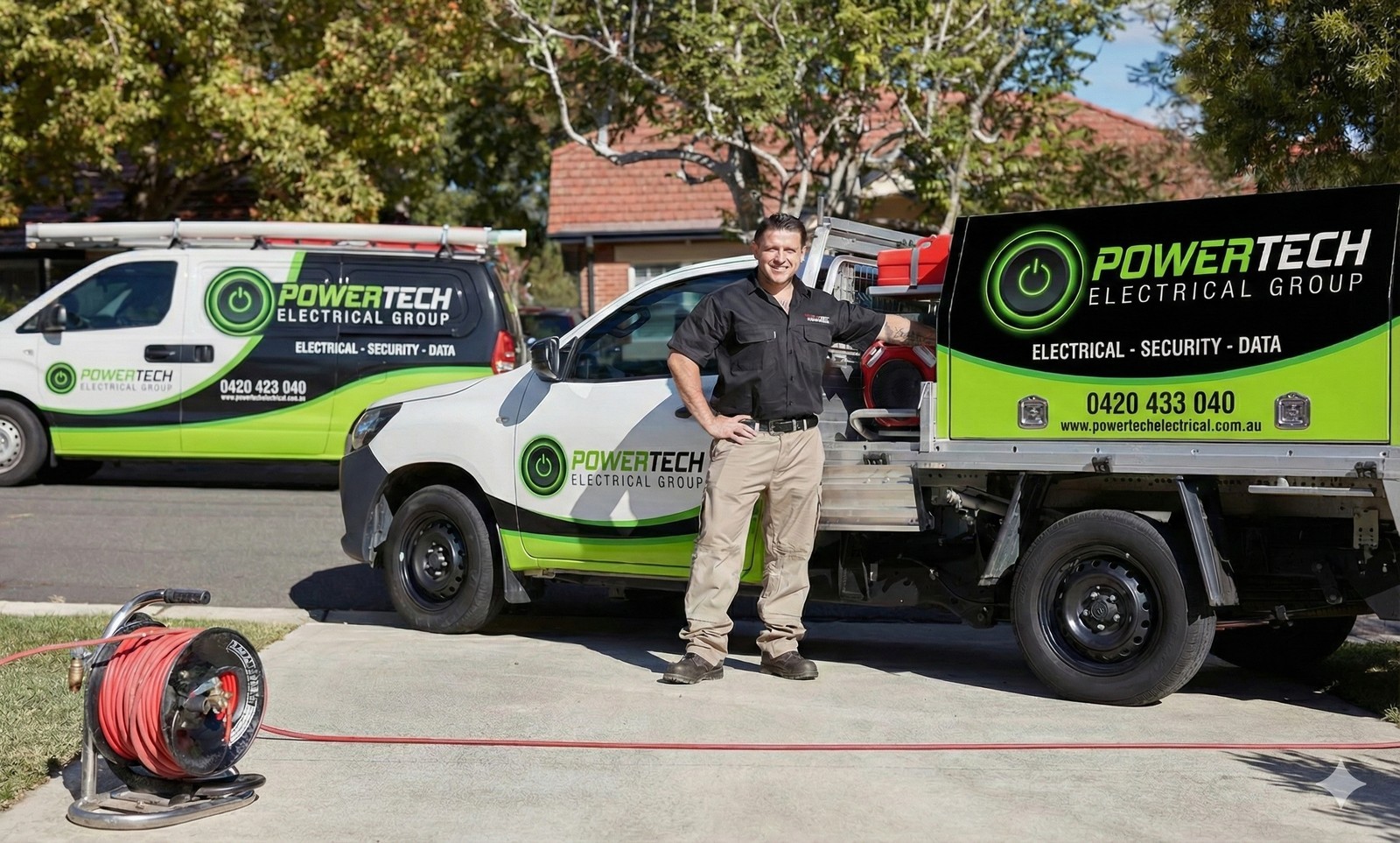
Mario Kyriacou
Owner & Licensed Master Electrician | Powertech Electrical
25+ Years Experience
Licence #319066C
Inner West Sydney
52+ Five-Star Reviews
I am Mario Kyriacou, Owner and Licensed Master Electrician at Powertech Electrical in Sydney’s Inner West. With over 25 years of experience serving residential and commercial properties across Newtown, Marrickville, Leichhardt, Stanmore, Petersham and Ashfield, I’ve built Powertech on the principles of transparency, reliability and quality workmanship.
I attribute the success of Powertech Electrical to a simple philosophy: treat every customer’s home with respect, provide honest upfront pricing, and do electrical work I’m proud to put my name on. After a quarter-century in this industry, I’ve learned that what Inner West homeowners value most isn’t flashy marketing – it’s an electrician who actually shows up when promised, tells you the price before starting work, and does the job properly the first time.
I believe transparency is essential in the trades. That’s why every quote I provide includes a detailed breakdown of labour and materials before any work begins. The quote you receive is the price you pay – no surprises, no hidden fees, no “oh actually it’s more” when the job is finished. This straightforward approach has earned Powertech Electrical 52+ five-star Google reviews from satisfied Inner West customers.
Whether it’s a 2am emergency power outage or a planned kitchen renovation, I personally answer the phone at 0420 433 040. When you call Powertech, you’re speaking with a real electrician who can answer your questions immediately – not a call centre taking messages. This personal accountability matters to me, and I know it matters to the families and businesses who trust me with their electrical work.
I’m proud to be fully licensed (Contractor Licence #319066C), hold professional membership with Master Electricians Australia, and carry $20M Public Liability Insurance for complete customer protection. I maintain current police checks and ID verification as part of my commitment to providing safe, trustworthy service to Inner West homes and businesses.
Running a family-owned electrical business for 25+ years has taught me that success isn’t about being the biggest company – it’s about being the most reliable. It’s about earning the trust of every customer, one transparent quote and one quality installation at a time. That’s the Powertech guarantee, and it’s the standard I hold myself to on every single job.
Need a Licensed Electrician?
Speak directly with Mario for transparent pricing and professional electrical service across Inner West Sydney
0420 433 040
Available 24/7 for emergencies | Same-day quotes for installations