
Wondering what smoke alarm installation actually costs in Sydney? I’ll give you the straight answer. Standard installation ranges from $180-$295 per alarm, depending on type and complexity. Let me break down exactly what you’ll pay—and why it’s the best investment you’ll ever make.
Quick Price Guide: Smoke Alarm Installation Sydney
Before we dive into details, here’s what you’re looking at:
Standard Installation Costs
- Replacement smoke alarm: $180-$220
- New smoke alarm installation: $220-$295
- Interconnected alarm system: $250-$350 per unit
- Hardwired alarm: $200-$280
- Battery-operated alarm: $180-$240
Smoke Alarm Types and Costs
- Photoelectric alarm (standalone): $50-$120 unit cost
- Ionisation alarm: $30-$80 unit cost
- Dual-sensor alarm: $80-$150 unit cost
- 10-year lithium battery alarm: $60-$140 unit cost
- Hardwired with battery backup: $70-$160 unit cost
- Smart smoke alarm: $120-$280 unit cost
Labour and Service Costs
- Standard installation labour: $100-$180
- Call-out fee: $80-$120 (often waived)
- Testing and certification: Included
- Multiple alarm discount: 15-25% off per additional unit
- Emergency same-day service: +30-50% premium
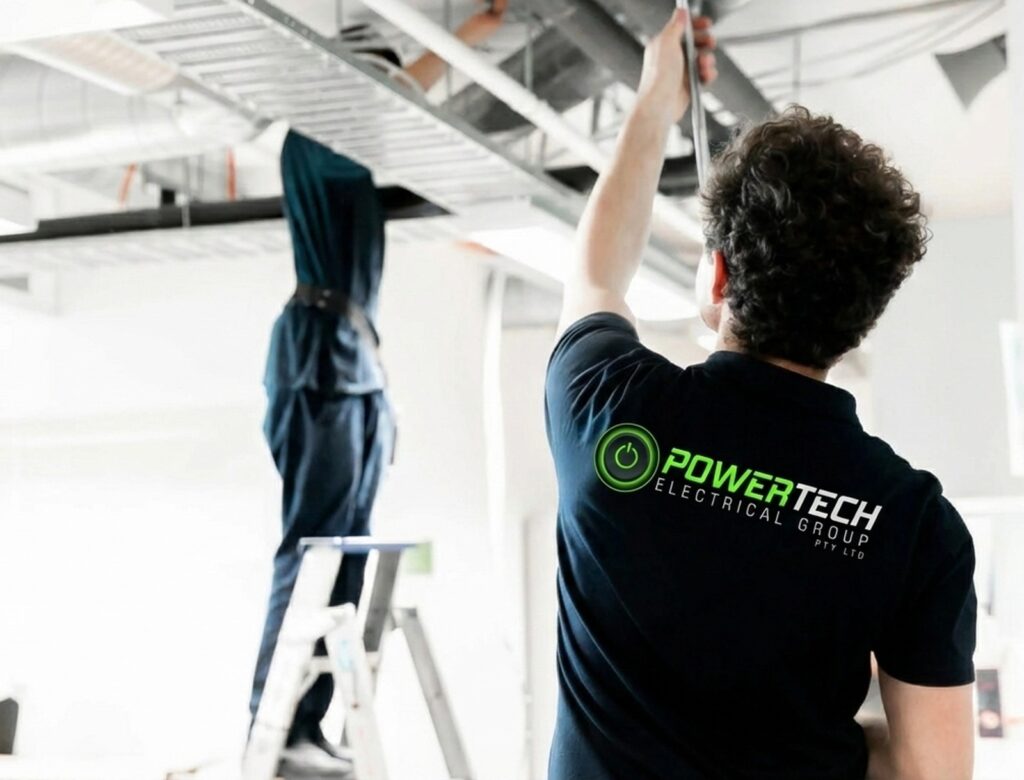
Understanding Smoke Alarm Installation
Smoke alarms save lives—it’s that simple. They detect fires early, giving you precious escape time.
Australian law mandates smoke alarms in all homes. Compliance isn’t optional; it’s essential for safety and insurance.
Why Professional Installation Matters
Correct placement determines effectiveness. Professional electricians know exactly where alarms work best.
Licensed installation provides:
- Compliance with Australian Standard AS 3786
- Optimal placement for early detection
- Proper interconnection between alarms
- Correct hardwiring to mains power
- Testing and certification documentation
- Warranty protection on installation
- Insurance coverage validity
Legal Requirements in Sydney
NSW legislation specifies strict smoke alarm standards. Your home must comply with current regulations.
Mandatory requirements include:
- Alarms on every level of home
- Alarms in all bedrooms (recommended)
- Photoelectric alarms preferred
- Hardwired alarms in new builds
- 10-year battery minimum (if battery-powered)
- Interconnected alarms where possible
- Professional installation certification
When Smoke Alarms Are Required
Different situations trigger installation requirements. Know when you’re legally obligated.
Installation required for:
- All new home construction
- Major renovations and extensions
- Property sales and transfers
- Rental properties (landlord responsibility)
- Existing homes (recommended upgrade)
- Insurance compliance needs
Breaking Down Installation Costs
Labour Charges
Licensed electricians charge $100-$150 per hour in Sydney. Most installations take 30-90 minutes per alarm.
Typical timeframes:
- Single replacement: 30-45 minutes = $50-$100
- New installation: 45-75 minutes = $75-$150
- Interconnected system (4 alarms): 3-4 hours = $300-$600
- Whole-home installation (6+ alarms): 4-6 hours = $400-$900
Factors affecting labour time:
- Ceiling height and accessibility
- Hardwiring complexity
- Number of alarms being installed
- Interconnection requirements
- Existing wiring condition
Smoke Alarm Unit Costs
Alarm prices vary significantly by type and features. Quality matters for reliability and longevity.
| Alarm Type | Unit Cost | Lifespan | Best For |
|---|---|---|---|
| Basic Photoelectric | $50-$80 | 10 years | Budget-conscious households |
| Premium Photoelectric | $80-$120 | 10 years | Standard residential use |
| Ionisation Alarm | $30-$80 | 10 years | Fast-flaming fire detection |
| Dual-Sensor | $80-$150 | 10 years | Comprehensive protection |
| 10-Year Battery | $60-$140 | 10 years | Low maintenance needs |
| Hardwired w/Backup | $70-$160 | 10+ years | Maximum reliability |
| Smart Alarm | $120-$280 | 10 years | Home automation integration |
Additional Materials
Installation often requires supplementary components. These add to overall project cost.
Common additional costs:
- Mounting brackets: $5-$15
- Electrical cable (per metre): $3-$8
- Junction boxes: $8-$20
- Wire connectors: $5-$15
- Interconnection modules: $15-$40
- Battery backup units: $12-$30
Testing and Certification
Professional testing ensures proper operation. Licensed electricians certify all installations.
Testing procedures include:
- Alarm sound level verification
- Interconnection functionality testing
- Battery backup confirmation
- Sensor sensitivity checks
- Compliance certification issuance
Certification costs: Typically included in installation quote.
Types of Smoke Alarms
Photoelectric Smoke Alarms
Photoelectric alarms are the recommended standard. They excel at detecting smouldering fires.
How they work: Light beam detects smoke particles entering chamber.
Photoelectric advantages:
- Best for detecting slow-burning fires
- Fewer false alarms from cooking
- Recommended by fire authorities
- Faster response to smouldering fires
- Suitable for all home areas
Installation cost: $180-$250 including labour.
Ionisation Smoke Alarms
Ionisation alarms respond quickly to flaming fires. They use radioactive material for detection.
How they work: Ionised air current disruption triggers alarm.
Ionisation characteristics:
- Fast response to flaming fires
- More prone to false alarms
- Less effective for smouldering fires
- Lower cost option
- Being phased out in some areas
Installation cost: $160-$220 including labour.
Dual-Sensor Alarms
Dual-sensor alarms combine both technologies. They offer comprehensive fire detection.
Combined protection provides:
- Fast-flaming fire detection
- Smouldering fire detection
- Reduced false alarm risk
- Maximum safety coverage
- Premium pricing justified
Installation cost: $220-$295 including labour.
Hardwired vs Battery-Powered
Power source affects reliability and maintenance. Each option has distinct advantages.
Hardwired alarms:
- Connected to mains power
- Battery backup included
- No battery replacement needed (backup only)
- More reliable long-term
- Required in new construction
- Professional installation essential
Battery-powered alarms:
- 10-year lithium batteries available
- Easier installation process
- No wiring required
- Lower installation cost
- Annual battery checks needed
- Suitable for retrofitting
Interconnected Smoke Alarms
Interconnected systems provide whole-home alerting. When one alarm sounds, all alarms activate.
Interconnection benefits:
- Hear alarms from anywhere in home
- Faster evacuation response
- Essential for large properties
- Required in new builds
- Wireless or hardwired options
Installation cost: $250-$350 per alarm for hardwired interconnection.
Smart Smoke Alarms
Smart alarms integrate with home automation. They provide remote monitoring and alerts.
Smart features include:
- Smartphone notifications
- Remote monitoring capability
- Voice alerts (some models)
- Self-testing functionality
- Battery level monitoring
- Integration with smart home systems
Installation cost: $280-$400 including setup and configuration.
Factors Affecting Installation Cost
Number of Alarms Required
More alarms reduce per-unit installation cost. Volume discounts apply for multiple installations.
Typical pricing structure:
- Single alarm: $220-$295
- 2-3 alarms: $200-$270 each (10% discount)
- 4-6 alarms: $180-$250 each (18% discount)
- 7+ alarms: $160-$230 each (25% discount)
Minimum recommendations:
- Apartment: 2-3 alarms
- Small house: 3-4 alarms
- Medium house: 5-7 alarms
- Large house: 8+ alarms
Installation Location
Placement affects installation difficulty and time. Some locations require extra effort.
Standard ceiling installation: Base rate
Complex locations add cost:
- High ceilings (3m+): +$30-$60
- Raked or cathedral ceilings: +$40-$80
- Difficult access areas: +$50-$100
- Stairwell installations: +$40-$70
- Outdoor undercover areas: +$30-$60
Existing Wiring
Available wiring simplifies hardwired installations. New wiring increases costs significantly.
With existing wiring: $200-$280 per alarm
Running new wiring adds:
- Short cable run (5-10m): +$80-$150
- Medium run (10-20m): +$150-$300
- Long run (20m+): +$300-$600
- Multiple circuit additions: +$400-$800
Property Type and Age
Older properties present unique challenges. Building construction affects installation complexity.
Property considerations:
- Modern home: Standard rates
- Heritage property: +20-30% (special care required)
- Apartment building: Standard to +15% (access issues)
- Double-storey: +10-20% (ladder work)
- Concrete ceilings: +15-25% (mounting difficulty)
Interconnection Method
Hardwired interconnection costs more than wireless. But it offers superior reliability.
Hardwired interconnection: $250-$350 per alarm
Wireless interconnection: $220-$300 per alarm
Hardwired advantages:
- More reliable communication
- No battery replacement for interconnection
- Faster response time
- Building code preferred
Optimal Smoke Alarm Placement
Mandatory Installation Locations
Building codes specify minimum alarm locations. These aren’t suggestions—they’re requirements.
Required placement includes:
- Every level of the home
- Hallways leading to bedrooms
- Near sleeping areas
- Top of stairways
Recommended Additional Locations
Extra alarms provide better protection. Consider these strategic placements.
Optimal additional locations:
- Inside each bedroom
- Living rooms and lounge areas
- Garage (if attached)
- Basement or cellar
- Laundry room
Where Not to Install
Incorrect placement causes false alarms. Avoid these problematic locations.
Never install alarms:
- Directly in kitchens (within 3m of cooking)
- In bathrooms (steam triggers alarms)
- Near air conditioning vents
- Next to ceiling fans
- In dusty or dirty areas
- Dead air spaces (corners)
Ceiling vs Wall Mounting
Ceiling mounting is preferred for smoke detection. Smoke rises, so ceiling placement works best.
Ceiling installation:
- Centre of room ideal
- At least 300mm from walls
- Optimal smoke detection
- Standard installation cost
Wall installation (when ceiling impossible):
- 300-500mm below ceiling
- Away from corners
- Slightly less effective
- Same installation cost
Money-Saving Strategies
Install Multiple Alarms Together
Bundling installations reduces per-unit cost. Schedule whole-home installation in one visit.
Savings example:
- 6 alarms separately: 6 × $250 = $1,500
- 6 alarms together: 6 × $190 = $1,140
- Total savings: $360 (24%)
Choose Appropriate Technology
Don’t overspend on unnecessary features. Match alarm type to actual needs.
Smart choices:
- Standard photoelectric for most areas
- Smart alarms only where beneficial
- Battery-powered when wiring expensive
- Hardwired in new construction only
Schedule During Business Hours
Avoid premium after-hours and weekend rates. Plan ahead for weekday appointments.
Scheduling savings:
- Weekday standard: Base rate
- After hours: +30-40% premium
- Weekends: +20-30% premium
- Public holidays: +50-80% premium
Combine with Other Electrical Work
Bundle alarm installation with other services. Save on call-out fees and labour.
Bundling opportunities:
- Smoke alarms + switchboard upgrade
- Alarms + additional power points
- Alarms + lighting upgrades
- Alarms + safety switch installation
Maintenance and Replacement
Regular Testing Requirements
Monthly testing ensures alarms function correctly. It’s simple and takes seconds.
Testing procedure:
- Press test button monthly
- Verify loud, clear alarm sound
- Check interconnected alarms all activate
- Replace batteries when low-battery warning sounds
Cleaning and Maintenance
Dust and debris reduce alarm sensitivity. Regular cleaning maintains effectiveness.
Maintenance schedule:
- Vacuum exterior twice yearly
- Wipe with damp cloth annually
- Replace batteries (non-lithium) annually
- Professional inspection every 2-3 years
When to Replace Smoke Alarms
Smoke alarms have finite lifespans. Replace them before they fail.
Replacement schedule:
- All alarms: Every 10 years (maximum)
- Check manufacture date on alarm
- Replace immediately if damaged
- Replace after any alarm failure
- Upgrade during renovations
Replacement cost: Similar to new installation ($180-$295).
What Powertech Electrical Group Charges
We believe in transparent, fair pricing. Our smoke alarm installation rates reflect quality workmanship and compliance.
Our standard rates:
- Single alarm replacement: $190-$220
- New alarm installation: $230-$280
- Interconnected system: $260-$320 per unit
- Smart alarm installation: $320-$380
- Whole-home package (6 alarms): $1,200-$1,680
What’s included:
- Professional site assessment
- Premium quality alarms
- Optimal placement advice
- Complete installation and testing
- Interconnection setup (if applicable)
- Compliance certification
- 12-month workmanship warranty
- Operational demonstration
- Maintenance advice
Our promise: Fixed-price quotes with no hidden surprises.
Questions to Ask Your Electrician
Licensing and Qualifications
Always verify credentials before hiring. Request specific documentation.
Essential questions:
- “What’s your electrical license number?”
- “Can I verify your license online?”
- “Do you carry public liability insurance?”
- “Have you installed smoke alarms before?”
- “Can you provide references?”
Compliance and Warranty
Get everything in writing before work begins. Protect yourself legally.
Compliance questions:
- “Will you provide compliance certification?”
- “What warranty do you offer?”
- “Are the alarms Australian Standards approved?”
- “What happens if inspection fails?”
- “Do you guarantee your work?”
Installation Details
Understand exactly what’s included. Avoid misunderstandings.
Scope questions:
- “How many alarms do I legally need?”
- “Where should they be positioned?”
- “What type do you recommend?”
- “Is interconnection necessary?”
- “How long will installation take?”
- “What cleanup is included?”
Red Flags When Hiring
Unlicensed Operators
Never hire unlicensed electricians. It’s illegal, dangerous, and voids insurance.
Warning signs:
- Can’t provide license number
- Refuses to show credentials
- Offers suspiciously cheap rates
- Demands cash-only payment
- No business address
- Won’t provide written quotes
Incomplete Quotes
Detailed quotes protect both parties. Vagueness suggests hidden costs.
Quote red flags:
- No itemised breakdown
- Verbal estimates only
- Missing alarm specifications
- No warranty mentioned
- Unclear payment terms
Pressure Tactics
Professional electricians don’t pressure clients. Aggressive tactics indicate problems.
Pressure indicators:
- “Today only” discount demands
- Immediate deposit requirements
- Reluctance to allow comparisons
- Aggressive follow-up
- False urgency claims
Why Professional Installation Matters
DIY smoke alarm installation risks lives. Professional installation ensures safety and compliance.
Professional benefits:
- Correct placement for maximum effectiveness
- Legal compliance assurance
- Proper interconnection setup
- Safe hardwiring to mains
- Insurance coverage validity
- Warranty protection
- Expert testing and certification
- Peace of mind
DIY risks include:
- Incorrect placement reducing effectiveness
- Non-compliant installation
- Electrical safety hazards
- Voided insurance coverage
- Failed safety inspections
- No professional warranty
The question isn’t whether to install professionally—it’s who to trust with your family’s safety.
Your Next Steps
Ready to install smoke alarms in Sydney? Don’t rush into the first quote you receive.
Smart approach:
- Count how many alarms you need
- Decide on preferred alarm type
- Get 2-3 written quotes from licensed electricians
- Verify all licenses and insurance
- Compare scope and value, not just price
- Check reviews and references
- Ask questions until confident
- Choose based on expertise and trust
Contact Powertech Electrical Group for professional smoke alarm installation. We’ll assess your property, recommend optimal solutions, and provide transparent fixed-price quotes.
Remember: Smoke alarms are the single most effective way to protect your family from fire. Invest in proper installation—it’s literally a life-saving decision.
Your family’s safety is priceless. Choose licensed professionals who prioritise protection over profit.
- About the Author
- Latest Posts
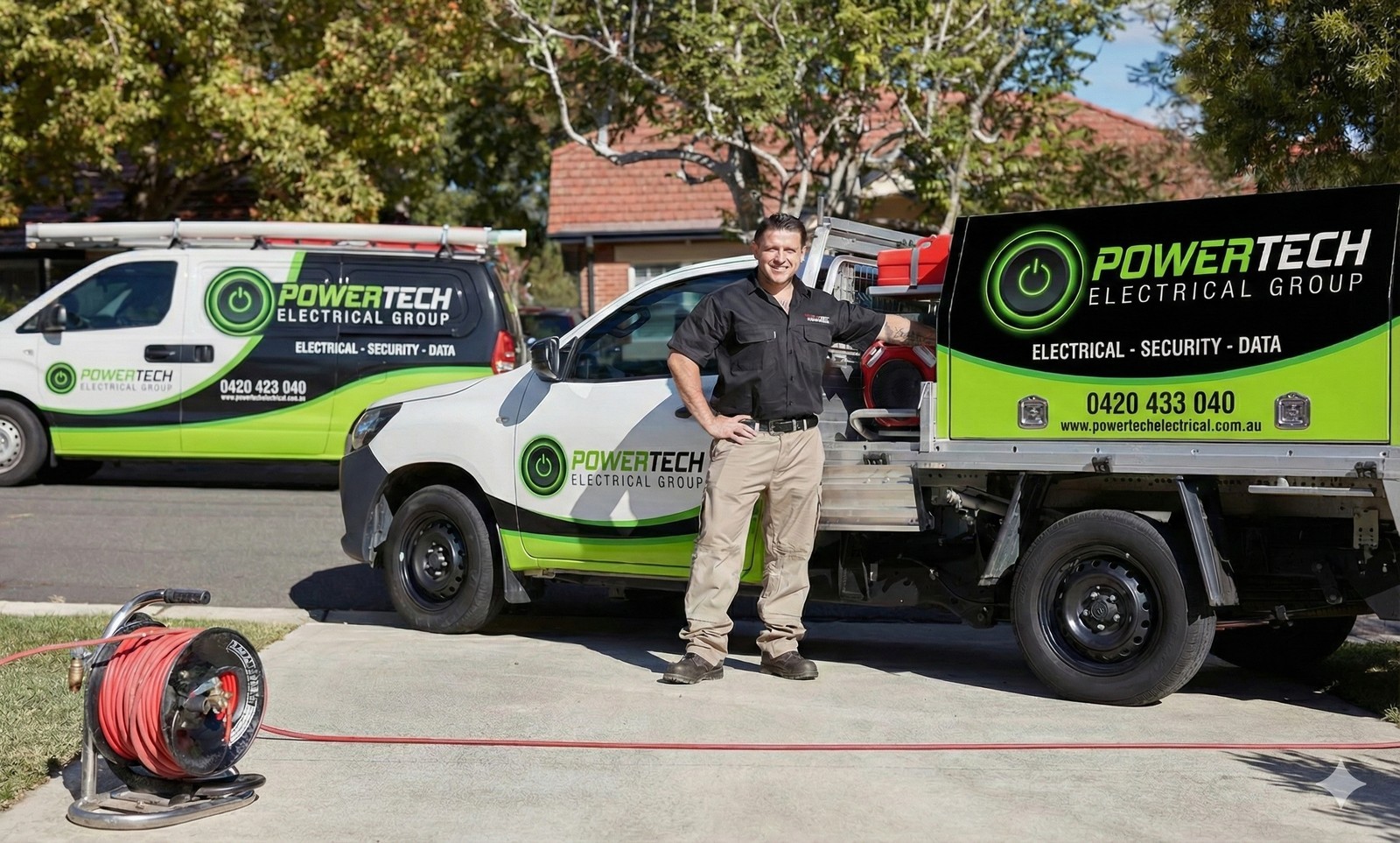
Mario Kyriacou
Owner & Licensed Master Electrician | Powertech Electrical
25+ Years Experience
Licence #319066C
Inner West Sydney
52+ Five-Star Reviews
I am Mario Kyriacou, Owner and Licensed Master Electrician at Powertech Electrical in Sydney’s Inner West. With over 25 years of experience serving residential and commercial properties across Newtown, Marrickville, Leichhardt, Stanmore, Petersham and Ashfield, I’ve built Powertech on the principles of transparency, reliability and quality workmanship.
I attribute the success of Powertech Electrical to a simple philosophy: treat every customer’s home with respect, provide honest upfront pricing, and do electrical work I’m proud to put my name on. After a quarter-century in this industry, I’ve learned that what Inner West homeowners value most isn’t flashy marketing – it’s an electrician who actually shows up when promised, tells you the price before starting work, and does the job properly the first time.
I believe transparency is essential in the trades. That’s why every quote I provide includes a detailed breakdown of labour and materials before any work begins. The quote you receive is the price you pay – no surprises, no hidden fees, no “oh actually it’s more” when the job is finished. This straightforward approach has earned Powertech Electrical 52+ five-star Google reviews from satisfied Inner West customers.
Whether it’s a 2am emergency power outage or a planned kitchen renovation, I personally answer the phone at 0420 433 040. When you call Powertech, you’re speaking with a real electrician who can answer your questions immediately – not a call centre taking messages. This personal accountability matters to me, and I know it matters to the families and businesses who trust me with their electrical work.
I’m proud to be fully licensed (Contractor Licence #319066C), hold professional membership with Master Electricians Australia, and carry $20M Public Liability Insurance for complete customer protection. I maintain current police checks and ID verification as part of my commitment to providing safe, trustworthy service to Inner West homes and businesses.
Running a family-owned electrical business for 25+ years has taught me that success isn’t about being the biggest company – it’s about being the most reliable. It’s about earning the trust of every customer, one transparent quote and one quality installation at a time. That’s the Powertech guarantee, and it’s the standard I hold myself to on every single job.
Need a Licensed Electrician?
Speak directly with Mario for transparent pricing and professional electrical service across Inner West Sydney
0420 433 040
Available 24/7 for emergencies | Same-day quotes for installations